Strobe Talbott, Veteran Journalist and Former Deputy Secretary of State, Dies at 80
Strobe Talbott, who covered world affairs for Time magazine before helping guide U.S. foreign policy in the Clinton administration and leading the Brookings Institution, has died at 80.
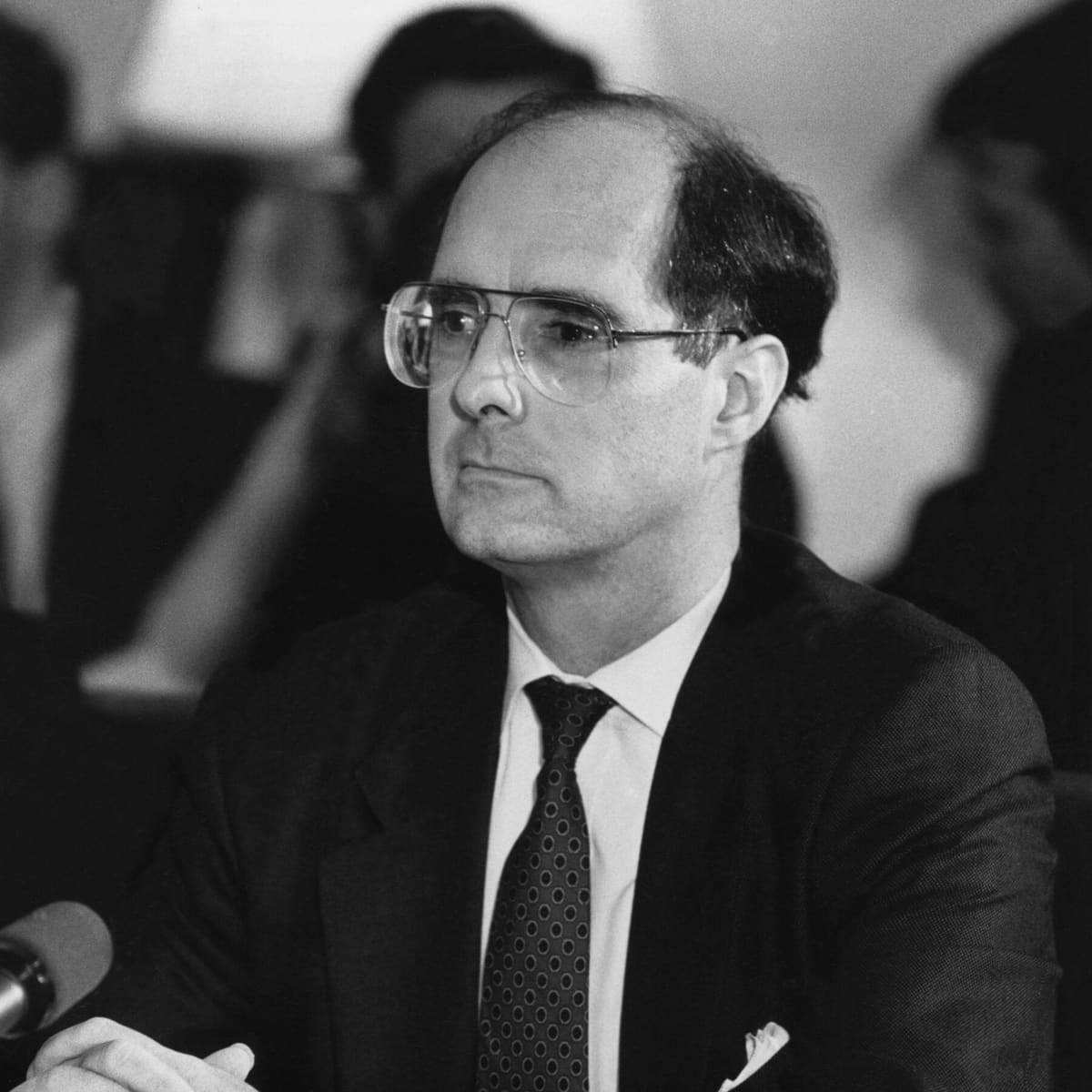
Strobe Talbott, a prominent journalist, diplomat, and think tank leader who helped shape American foreign policy in the years after the Cold War, has died. He was 80 years old.
Talbott bridged the worlds of journalism and government across a career spanning more than five decades. Before entering public service, he spent years as a reporter and foreign affairs columnist at Time magazine, where he became widely known for his deep reporting on nuclear arms control and U.S.-Soviet relations.
From Newsrooms to the State Department
In 1993, President Bill Clinton—a longtime friend dating back to their days as Rhodes Scholars at Oxford—tapped Talbott to join the State Department. Talbott went on to serve as deputy secretary of state, becoming one of the administration's central voices on diplomacy during a period of historic global change.
In that role, he played a key part in managing America's relationship with Russia after the collapse of the Soviet Union, supporting NATO's expansion into Eastern Europe, and navigating complex arms negotiations. Colleagues remembered him for a calm, analytical approach to high-stakes diplomacy.
- Journalism career: Covered diplomacy, arms control, and international crises for Time magazine.
- Government service: Served as U.S. deputy secretary of state during the Clinton administration.
- Policy leadership: Later led the Brookings Institution, one of Washington's most influential research centers.
Leading Brookings and Lasting Legacy
After leaving government in 2001, Talbott became president of the Brookings Institution in Washington, guiding the nonpartisan think tank for 15 years. Under his leadership, scholars expanded research on global economics, governance, and international security.
Across newsrooms, embassies, and policy circles, former colleagues are paying tribute to Talbott as a thoughtful writer and steady public servant who helped explain—and manage—a rapidly changing world.