Supreme Court to Weigh Challenges After Trump Overhauls U.S. Asylum System
Sweeping immigration restrictions and staffing cuts have virtually halted asylum claims at the border. Legal advocates are now asking the Supreme Court to decide whether those changes violate due process.
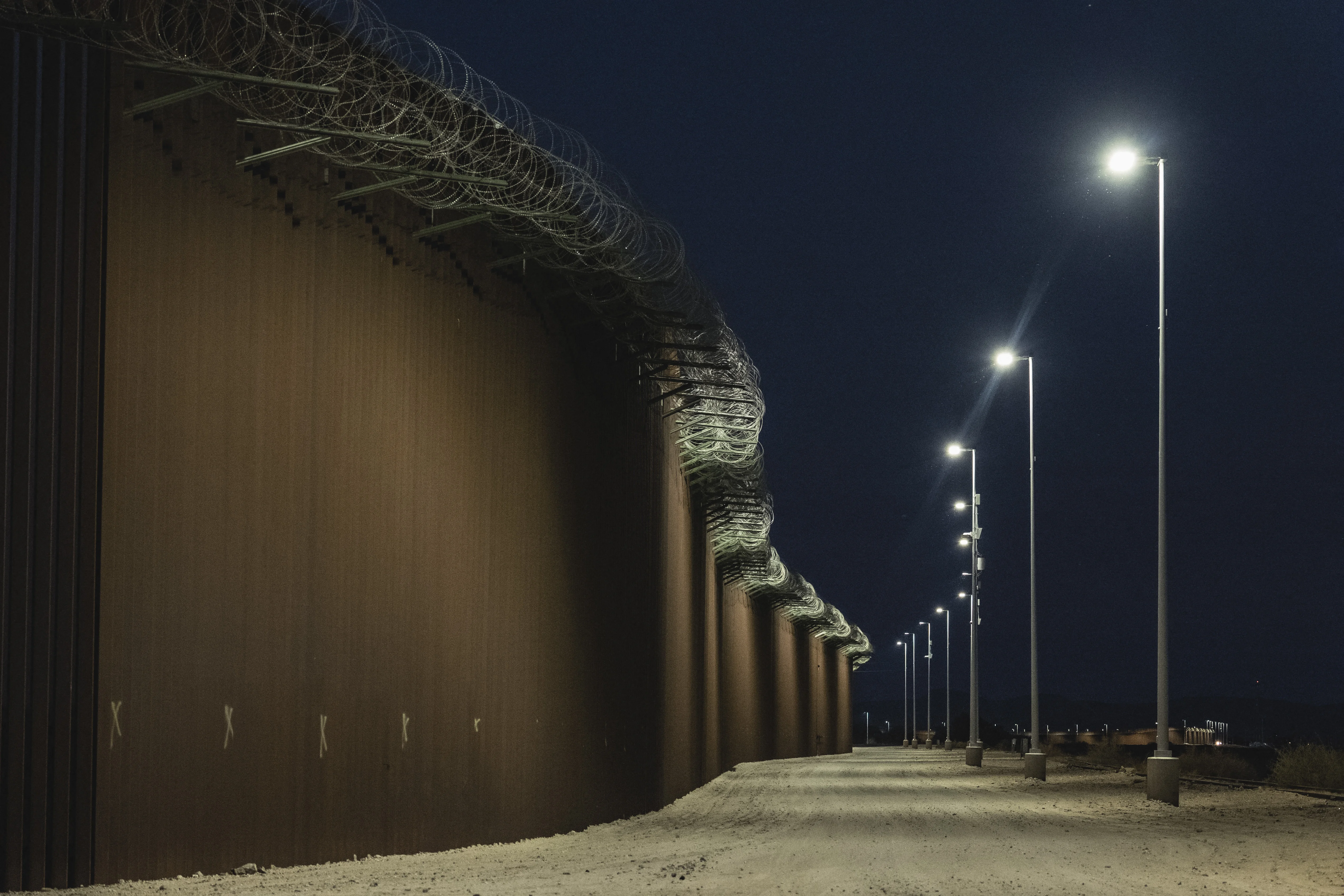
Major changes under the Trump administration have effectively shut down the traditional U.S. asylum process, leaving thousands of migrants with few legal paths to seek protection. Civil rights groups and immigration lawyers are now turning to the Supreme Court in an effort to restore basic legal safeguards.
Over the past year, the White House paired a strict asylum ban with mass firings across immigration agencies and aggressive new legal rules. Together, those moves have made it nearly impossible for people fleeing persecution to have their cases heard at the southern border.
Why the Legal Fight Matters
Under federal law and international agreements, people arriving in the United States have historically been allowed to ask for asylum if they fear violence or persecution in their home countries. Critics say the administration bypassed Congress and dismantled that system through executive actions.
Advocates argue that turning people away without a meaningful screening denies them due process, a core constitutional protection. Administration officials counter that strict measures are needed to secure the border, deter unlawful crossings, and clear an overwhelmed immigration court backlog.
- Asylum access: New bans and procedural hurdles have blocked most migrants from applying at the border.
- Agency capacity: Mass firings of asylum officers and staff have slowed or halted remaining case reviews.
- Constitutional question: Justices will consider whether the rapid removals violate basic fairness under U.S. law.
What Happens Next
The Supreme Court is expected to review key parts of the administration's policy in the coming months. A ruling in favor of the challengers could force the government to reopen asylum screenings and rebuild processing capacity at border crossings.
If the justices side with the White House, the decision would cement one of the most restrictive shifts in modern U.S. immigration history. For border communities, aid organizations, and families waiting in limbo, the high court's calendar now holds the clearest sign of whether the system will change again.