Federal Contractors Caught Between Incoming House Probes and White House Warnings
Democrats preparing to take control of House committees are targeting outside firms in oversight inquiries. President Trump has warned contractors they risk losing work if they cooperate without approval.
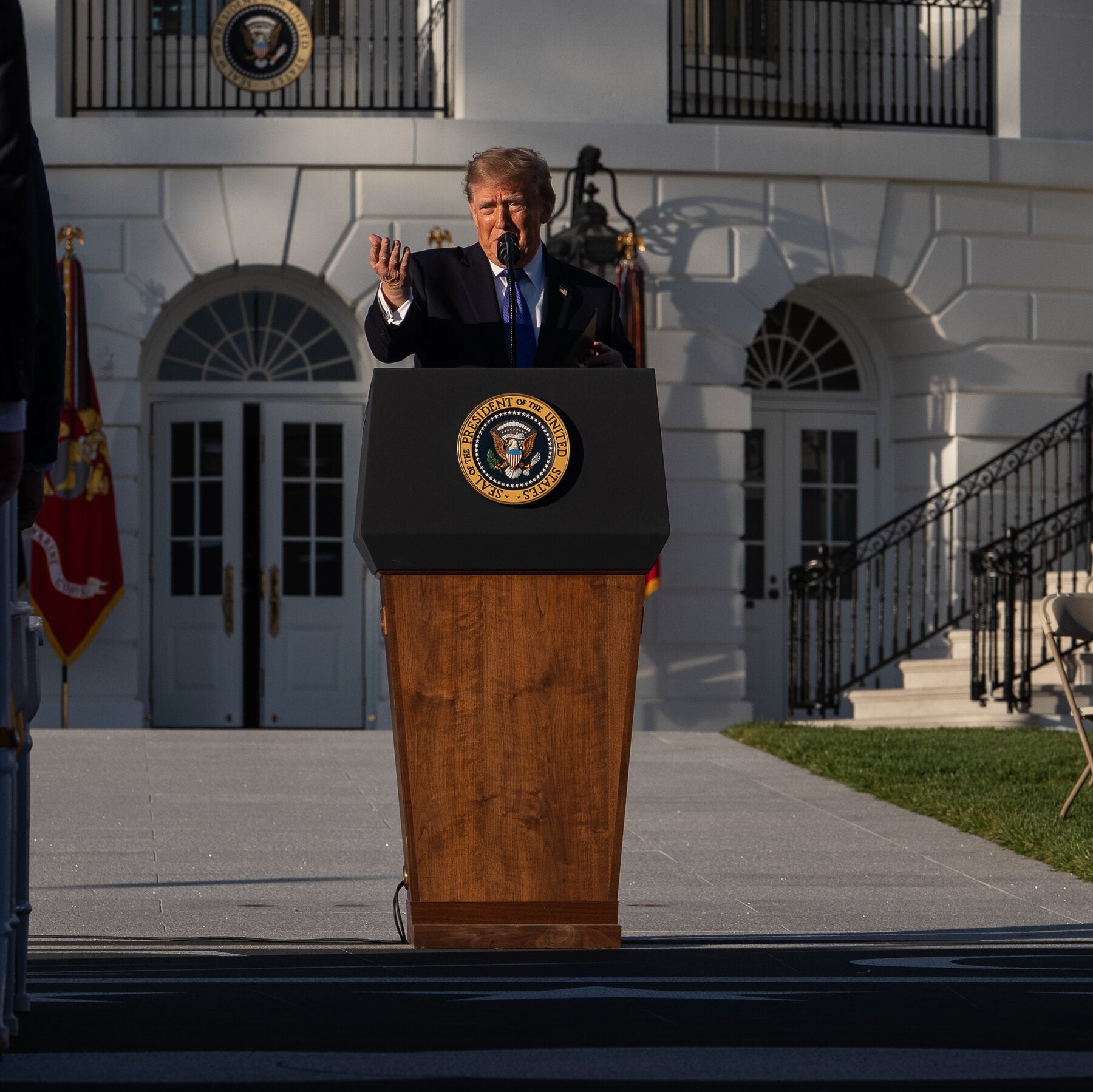
Private companies that do business with the federal government are facing an unusually tense political squeeze in Washington. As incoming Democratic majorities prepare to launch wide-ranging congressional investigations, President Trump has threatened to penalize contractors that cooperate without his permission.
Following recent midterm gains, Democratic lawmakers are mapping out oversight hearings into administration spending, agency decisions, and outside partnerships. Because executive branch officials often resist subpoenas, committees frequently turn to private vendors and outside advisers for documents and testimony.
A High-Stakes Dilemma for Businesses
For federal contractors, the clash creates a difficult choice with serious financial consequences. Ignoring a congressional subpoena can trigger legal penalties, public hearings, and contempt proceedings on Capitol Hill.
On the other hand, President Trump has warned that firms handing over records or answering lawmakers' questions without White House clearance could be fired from government contracts. Billions of dollars in federal work depend on maintaining good standing with executive agencies.
- Oversight targets: House committees plan to ask private businesses and outside partners for records tied to administration policies.
- Executive pressure: The White House is signaling it may cut ties with vendors that comply independently.
- Legal uncertainty: Companies must balance congressional subpoena power against the risk of losing federal revenue.
What Happens Next
When the new Congress convenes in January, committee chairs are expected to begin issuing formal document requests and hearing notices. Many contractors are already consulting outside legal counsel to prepare for competing demands from both branches of government.
Disputes over executive privilege and congressional oversight often end up in federal court, a process that can drag on for months. In the meantime, businesses that rely on government work may find themselves at the center of a broader constitutional tug-of-war between the White House and Capitol Hill.