Proposed SNAP Cuts Threaten Free School Meals for Millions of Students
Trump administration cuts and rule changes to the federal food stamp program could have major knock-on effects for school breakfasts and lunches across the country.
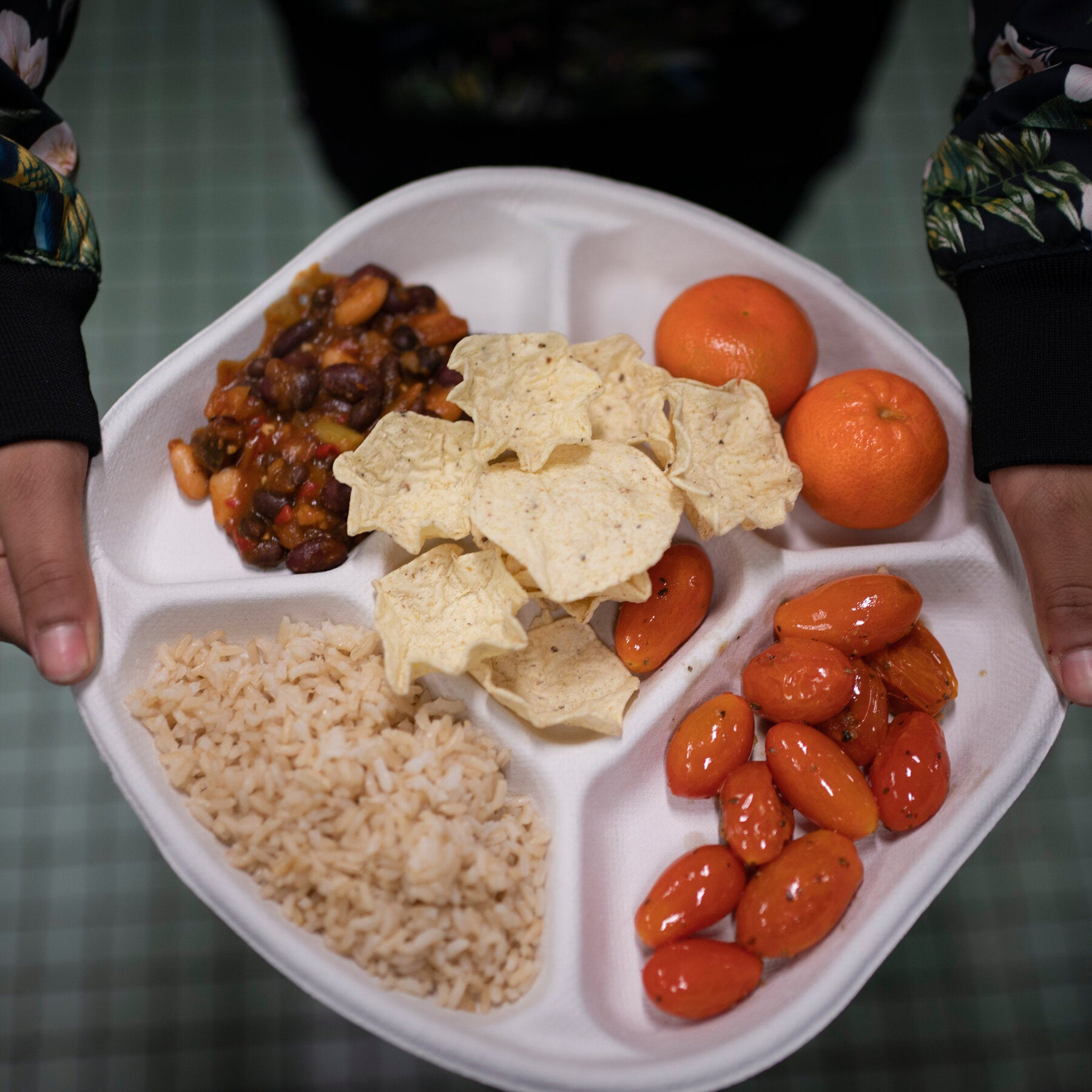
Changes proposed by the Trump administration to the nation's largest anti-hunger program could reach far beyond grocery store checkout lines. Education and nutrition advocates warn that cuts to the Supplemental Nutrition Assistance Program, known as SNAP, also put free school lunches and breakfasts at risk.
While SNAP helps low-income households buy food at home, the program is tightly woven into how public schools qualify students for free meals. When fewer families are enrolled in SNAP, fewer children are automatically certified to eat free at school.
How Food Stamps Affect School Cafeterias
Under current federal rules, children in households receiving SNAP are automatically eligible for free school meals without filling out extra paperwork. High-poverty schools also rely on SNAP enrollment numbers to qualify for district-wide free meal programs that feed every student regardless of family income.
If proposed budget cuts and stricter eligibility rules push families off SNAP, schools could lose the funding thresholds needed to keep universal free meals running. That shift would force some districts to return to collecting individual applications and charging families who fall just above strict income limits.
- Direct link: Lower SNAP enrollment shrinks the number of students automatically signed up for free school food.
- Whole-school impact: Fewer qualifying households can strip entire schools of universal free lunch and breakfast status.
- Administrative strain: School districts may face higher paperwork costs and unpaid meal debt.
What Happens Next
School nutrition directors, state officials, and anti-hunger groups are reviewing the administration's proposed regulatory changes and preparing public comments. Many warn that rural and low-income districts would feel the pinch first if federal reimbursements drop.
Congressional Democrats have signaled they will push back against deep nutrition cuts during upcoming budget talks. For millions of parents and local school boards, the debate over food assistance could directly decide how students are fed in the next school year.