Five Big Questions Shaping the 2028 U.S. Presidential Race Early On
With midterm elections behind them, political strategists are already sizing up the 2028 White House field—from JD Vance and Marco Rubio to Kamala Harris and Alexandria Ocasio-Cortez.
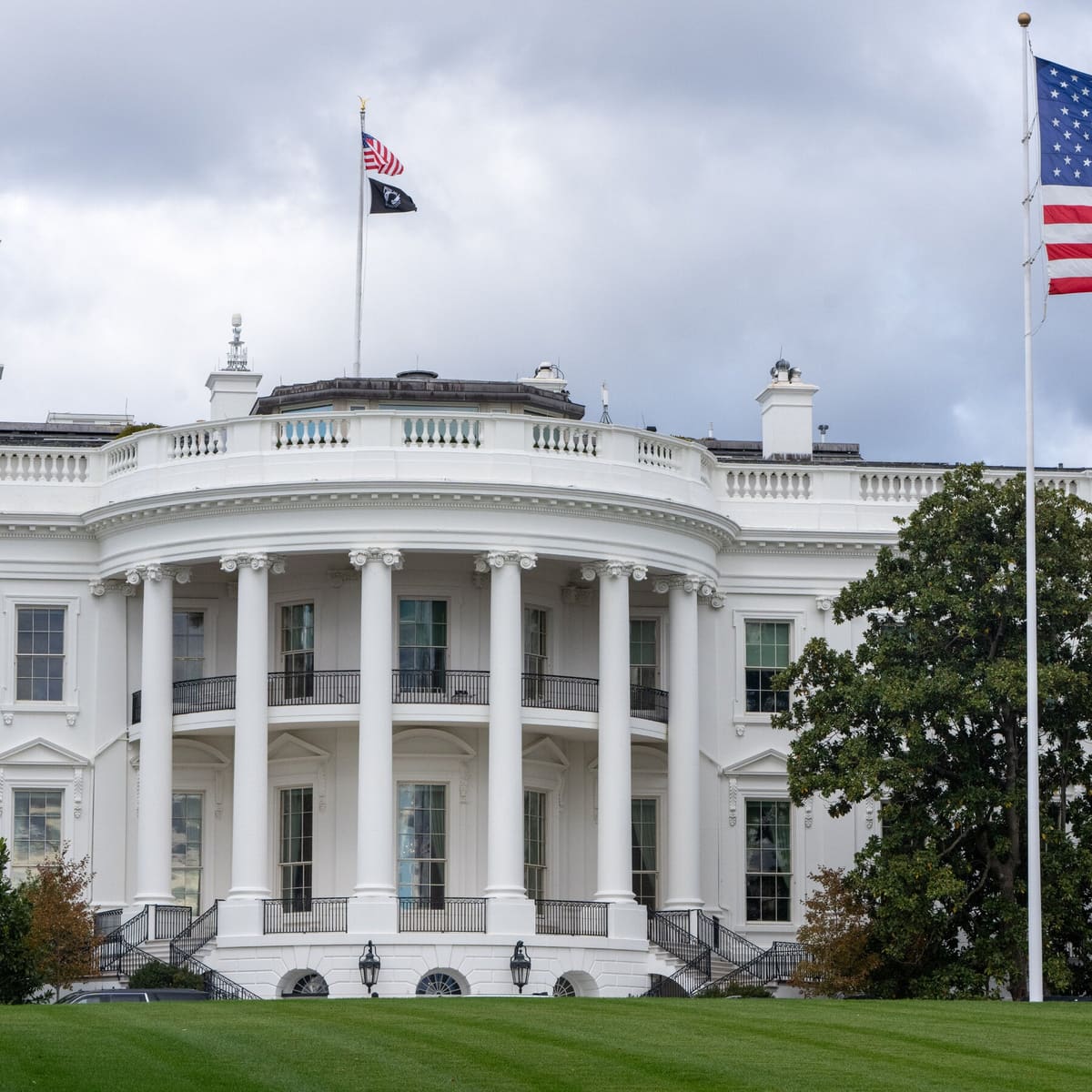
Even though the next presidential election is still two years away, Washington is already turning its attention to 2028. Fresh off a consequential midterm cycle, party leaders, donors, and voters are asking big questions about who will lead both major parties into the next White House race.
Because President Trump cannot run for a third term under the Constitution, 2028 guarantees an open race at the top of the ticket. That open field has triggered early positioning among potential contenders on both the Republican and Democratic sides.
Who Might Run—and What Role Trump Plays
On the Republican side, much of the early speculation centers on Vice President JD Vance and Secretary of State Marco Rubio, along with other senior administration figures and governors. A major question for the GOP is how much influence President Trump will wield in picking—or rallying behind—his political heir.
Among Democrats, recent election wins have energized a debate over whether the party should turn to familiar national figures like former Vice President Kamala Harris, rising progressive leaders such as Rep. Alexandria Ocasio-Cortez, or a fresh face from outside Washington. Voters are also weighing which economic and social messages can hold together a winning coalition.
- Republican field: Contenders like JD Vance and Marco Rubio face questions over how closely to align with Trump's record.
- Democratic debate: Party activists are weighing experienced leaders like Kamala Harris against younger voices such as Alexandria Ocasio-Cortez.
- Voter priorities: Cost of living, trade, and institutional trust remain central issues heading into the early primary season.
What Happens Next
Over the next year, potential candidates will test their appeal through policy speeches, fundraising trips, and early visits to key primary states. Political analysts expect clearer signals after the new Congress begins its work and parties assess how midterm voters responded to each message.
While formal campaign launches are still months away, the early maneuvering shows that the race to define America's post-Trump political era is already underway.