Scientists Turn Hard-to-Recycle PVC Plastic Into Engine Lubricant
Virginia Tech researchers have developed a fast process that converts discarded PVC plastic into an ingredient for high-performance lubricating oil.
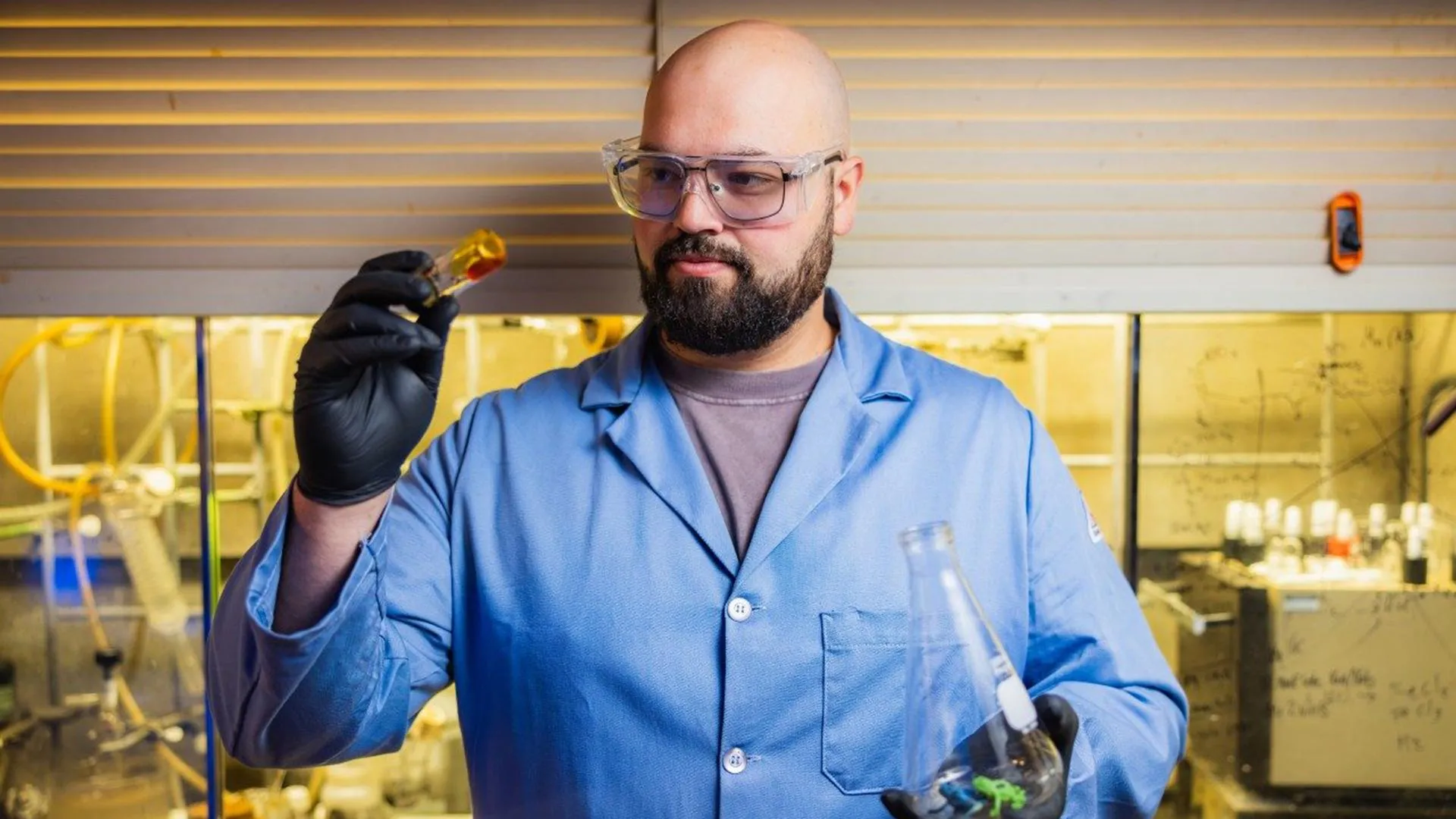
Polyvinyl chloride, better known as PVC, is everywhere—from household plumbing pipes and window frames to medical tubing and flooring. Yet unlike soda bottles or milk jugs, PVC is notoriously difficult to recycle, and most of it ends up in landfills or incinerators.
Now, chemists at Virginia Tech have found a surprising new use for the stubborn plastic. The team developed a rapid chemical process that transforms discarded PVC into a valuable building block for high-performance engine lubricating oil.
Why PVC Is So Hard to Reuse
Standard recycling methods melt plastics down and reshape them into new items, but PVC breaks down easily when heated and releases corrosive chlorine gas. That chemical trouble contaminates recycling batches and damages industrial equipment, causing most recycling centers to turn PVC away.
Rather than simply melting the plastic, the Virginia Tech researchers used targeted chemical reactions to strip away problematic components and rebuild the remaining carbon chains into useful lubricant molecules. Because high-grade synthetic lubricants command much higher prices than basic recycled plastic pellets, the approach could make PVC recovery economically attractive.
Potential Impact on Waste and Industry
Turning waste plastic into industrial oil tackles two environmental challenges at once: keeping long-lasting plastic out of landfills and reducing the need to refine fresh petroleum for lubricants. While the method was demonstrated at laboratory scale, chemical engineers will now look at how to adapt it for larger recycling plants.
- Tackling tough waste: PVC is one of the world's most common yet least recycled plastics due to its chlorine content.
- Higher-value output: Converting waste into high-performance lubricating oil creates stronger financial incentives to collect used PVC.
- Next steps: Researchers aim to scale up the reaction and test how well the recycled lubricant performs alongside commercial engine oils.