NASA's NG-25 Mission to Test New Space Crop System on the Space Station
Northrop Grumman's 25th resupply flight will carry a pioneering NASA plant-growing system and biological experiments to the International Space Station.
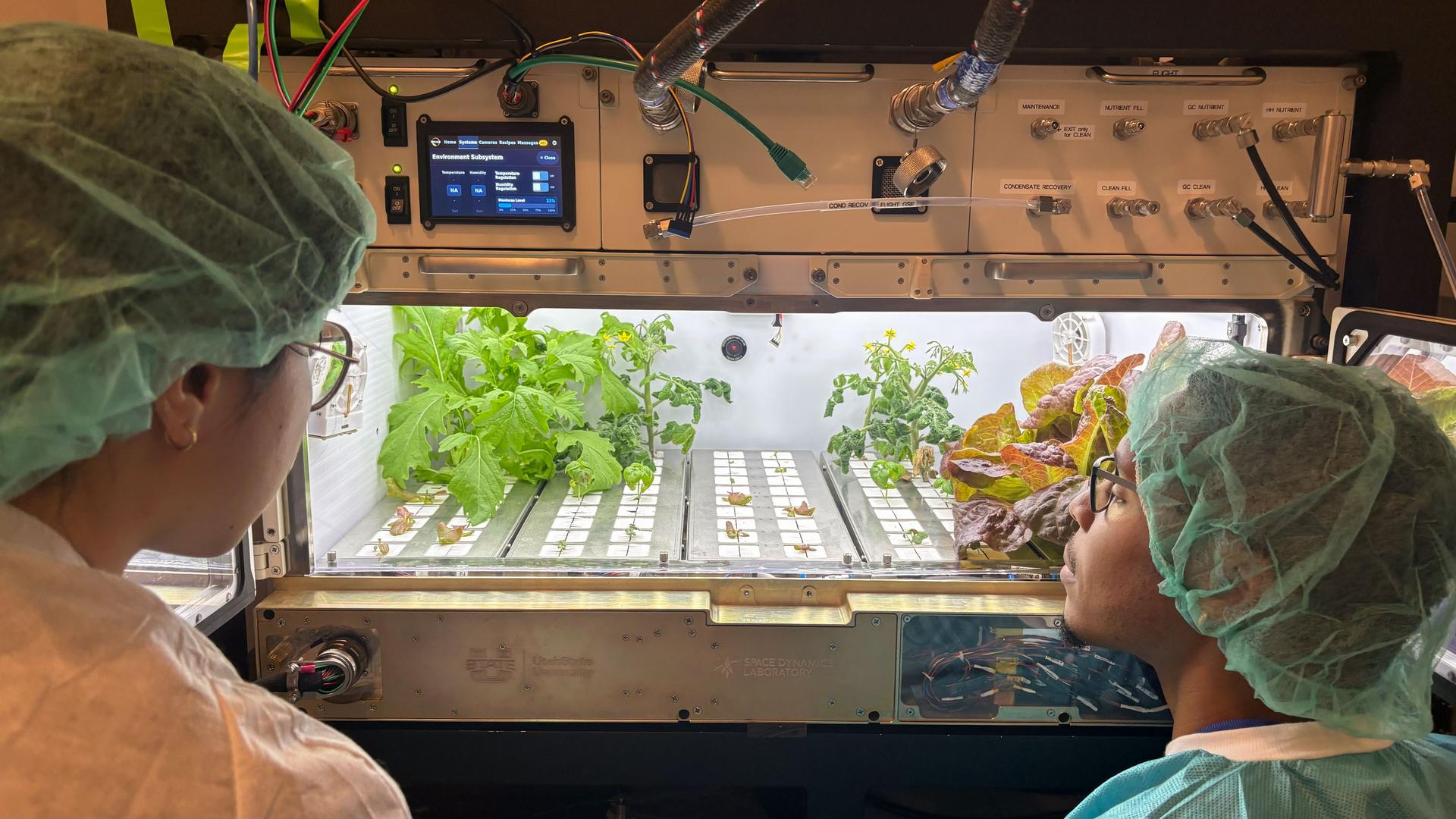
Astronauts living aboard the International Space Station are preparing to welcome a new wave of biological research, including a first-of-its-kind system designed to grow crops in orbit. The experiments are scheduled to launch on Northrop Grumman's 25th Commercial Resupply Services mission, known as NG-25, for NASA.
The investigations come from NASA's Biological and Physical Sciences division, which studies how living organisms and everyday materials behave when gravity is nearly absent. Growing fresh, reliable food in space is one of the toughest challenges standing between short orbital visits and long-term journeys to the Moon or Mars.
Why Growing Food in Orbit Is Tricky
On Earth, gravity naturally pulls water down through soil and guides roots downward while stems reach toward the light. Inside a space station, water floats into spheres and clings to surfaces, making it easy to drown plant roots or leave them too dry.
NASA's new space crop production system is built to manage water, nutrients, airflow, and lighting automatically in microgravity. By testing how plants respond inside this specialized hardware, scientists hope to boost crop yields while using less crew time and fewer resources.
Building Toward Deep-Space Exploration
Every kilogram of packaged food launched from Earth adds cost and weight to a space mission, and vitamins in stored rations slowly break down over time. Fresh greens and vegetables grown on board can supplement astronauts' diets while also offering a welcome psychological boost far from home.
- First-of-its-kind hardware: NG-25 carries a dedicated crop production system built specifically for sustained plant growth in space.
- Life-support insights: Learning how plants recycle air and water helps engineers design closed-loop habitats for distant missions.
- What comes next: Once the cargo spacecraft docks with the station, astronauts will install the experiments and monitor plant growth over coming weeks.