Europe's Hera Mission Reveals Close-Up Views of Asteroid Struck by NASA
The European Space Agency's Hera spacecraft has sent back detailed close-up images showing the aftermath of NASA's historic asteroid-deflection test.
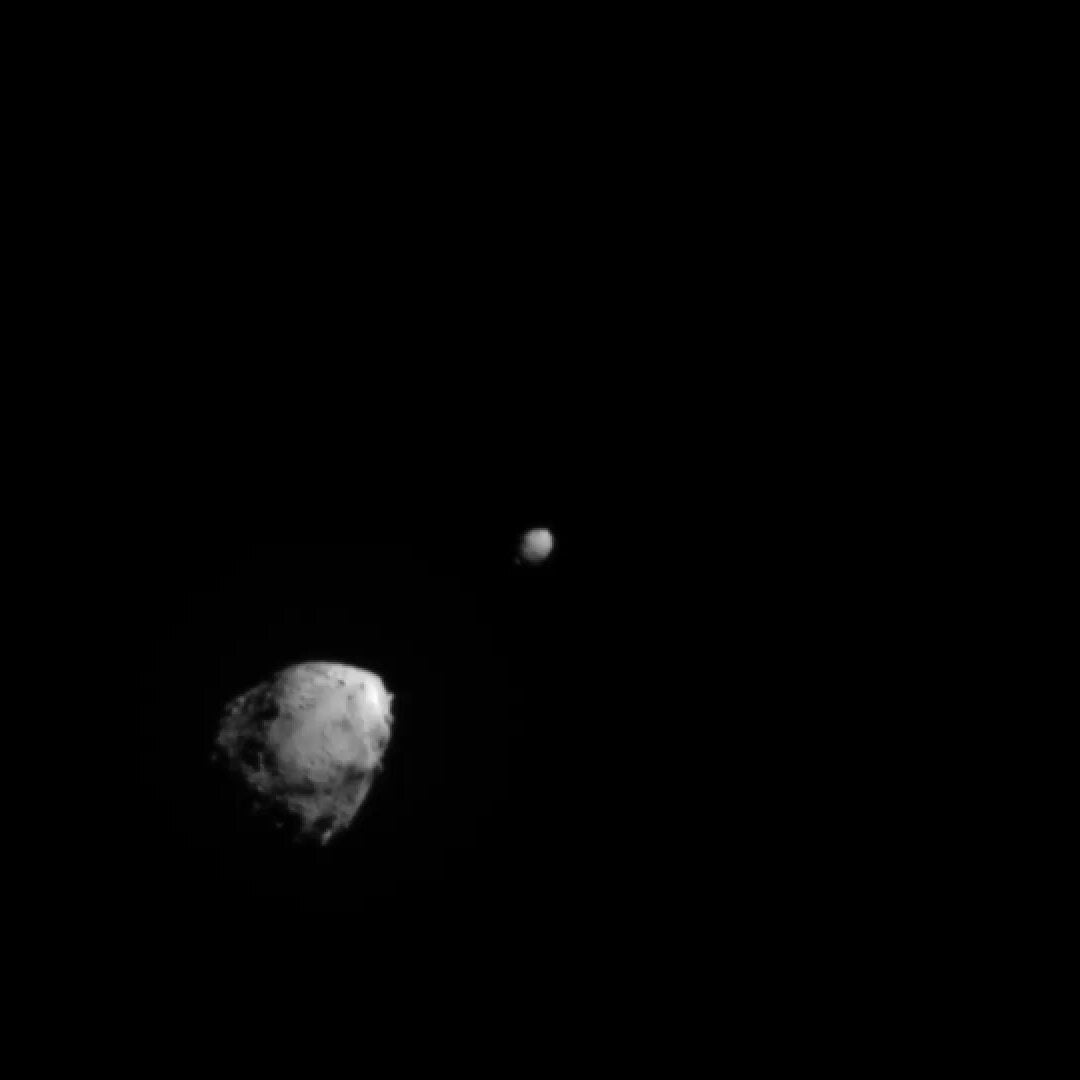
Scientists have received their clearest look yet at what happens when a human-made spacecraft intentionally slams into an asteroid. The European Space Agency's Hera mission has released close-up photographs of the target from NASA's daring planetary defense experiment, known as the DART mission.
Several years ago, NASA crashed its DART spacecraft into a small space rock at high speed to see whether a direct hit could nudge an asteroid onto a safer path. While telescopes on Earth confirmed that the collision changed the asteroid's orbit, researchers could not see the surface damage in fine detail until Hera arrived to inspect the site up close.
What the New Images Show
Hera's high-resolution cameras give scientists an intimate view of the asteroid's battered surface, loose boulders, and impact zone. By studying the size and shape of the crater and how debris settled across the rock, teams can better understand what lies beneath the surface of similar space objects.
Many small asteroids are not solid slabs of stone, but loosely packed "rubble piles" held together by weak gravity. Knowing how tightly or loosely that material sticks together makes a huge difference when calculating how hard a spacecraft needs to hit to steer a real threat away from Earth.
Why Planetary Defense Matters
Earth has been struck by large asteroids in the distant past, and space agencies around the world track thousands of near-Earth objects to make sure none are headed our way. Having a tested method to push a hazardous rock off course turns planetary defense from science fiction into a practical engineering tool.
- Confirming the impact: Hera provides the close-range data that Earth-based telescopes could not capture during NASA's original collision test.
- Measuring asteroid structure: Detailed surface maps help engineers see whether small asteroids behave like solid rock or loose gravel.
- Next steps: Mission teams will continue analyzing Hera's measurements and radar scans to refine computer models for protecting Earth in the future.