U.S. Amphibious Warships Depart Singapore During Western Pacific Patrols
The USS Makin Island and USS John P. Murtha sailed from Singapore this week as U.S. naval forces maintain an active presence across key Western Pacific waterways.
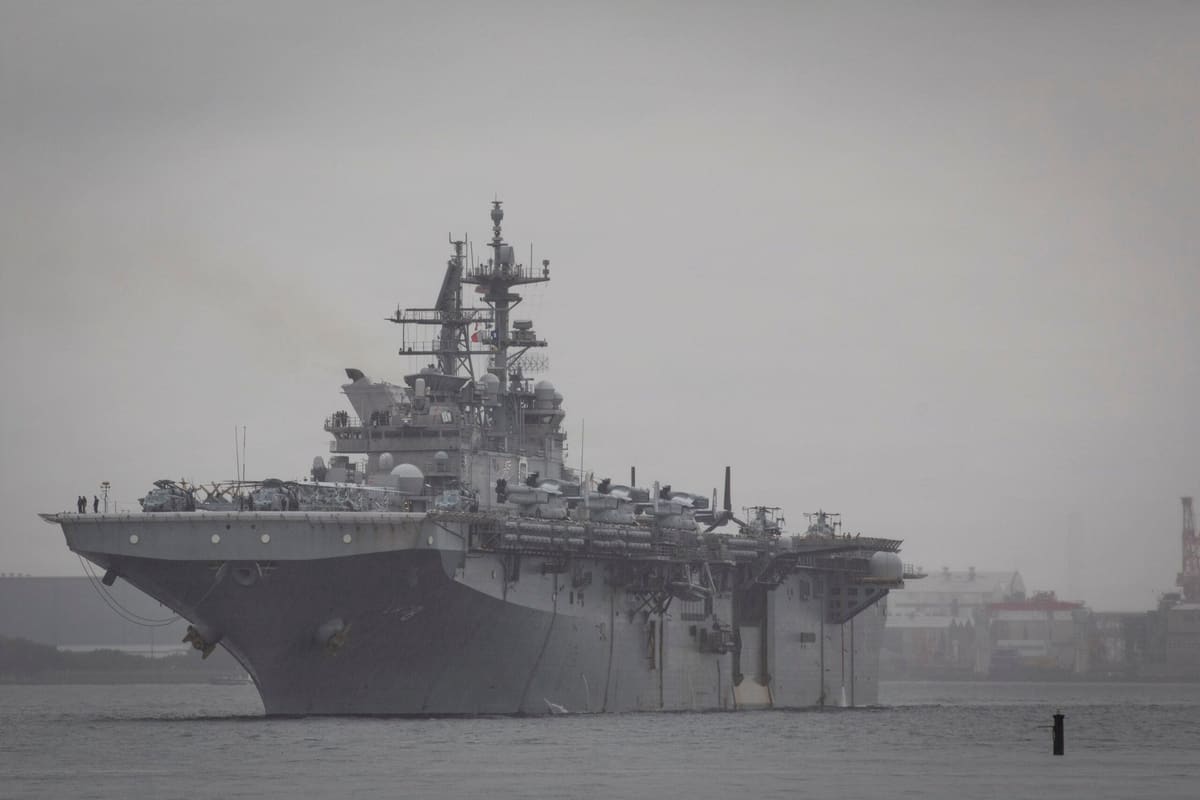
Two major U.S. Navy amphibious warships—the amphibious assault ship USS Makin Island and the amphibious transport dock USS John P. Murtha—departed Singapore's Sembawang naval area this week as part of ongoing operations in the Western Pacific.
Amphibious ships serve as mobile sea bases for U.S. Marines, carrying troops, landing craft, helicopters, and vertical-takeoff jets. Their deployments allow American forces to respond rapidly to security crises, conduct joint drills with partner nations, or deliver humanitarian aid after natural disasters.
Strategic Role of Singapore Stopovers
Port visits in Singapore are a routine yet vital part of U.S. naval operations in Southeast Asia. Sitting beside the Malacca Strait—one of the busiest commercial shipping lanes in the world—Singapore offers logistics support, repairs, and crew rest without requiring ships to sail thousands of miles back to Japan or the U.S. mainland.
Regular ship movements through the region also signal a steady American commitment to keeping international sea lanes open. Weekly naval tracking shows allied vessels routinely rotating through ports and training zones across the South China Sea and nearby waters.
Maintaining Presence in the Indo-Pacific
As regional competition intensifies, U.S. Navy commanders rely on dispersed amphibious ready groups to operate alongside regional navies. Keeping ships underway and ready ensures crews stay sharp across complex maritime corridors.
- Vessels on the move: USS Makin Island (LHD-8) and USS John P. Murtha (LPD-26) departed Sembawang in Singapore.
- Mission capabilities: Amphibious ships transport Marines, aircraft, and landing craft for rapid regional response.
- Why Singapore matters: Its location near key shipping chokepoints makes it a critical logistics hub for visiting U.S. ships.
- Broader picture: Continuous Pacific patrols support allied training and maritime security across Southeast Asia.