U.S. Army Delays First MV-75 Test Aircraft Delivery After Funding Setbacks
Budget disruptions have slowed coordination between the Army and manufacturer Bell, pushing back the first test delivery of the next-generation MV-75.
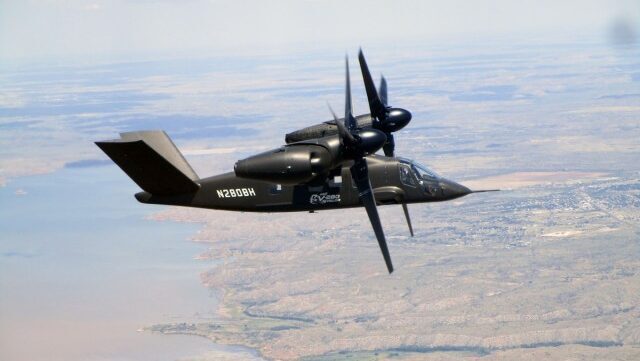
The U.S. Army has officially delayed the delivery of its first MV-75 test aircraft after funding setbacks disrupted work with manufacturer Bell. Army officials confirmed that the program has missed its original target and are now working to set a revised schedule.
The MV-75 is designed to replace the service's aging Black Hawk helicopters. Because it uses tiltrotor technology—combining vertical helicopter takeoffs with the faster cruising speed of a propeller airplane—the aircraft is meant to carry soldiers farther and faster across large battlefields.
How Budget Gaps Slowed Program Progress
According to the Army, funding shortfalls interrupted normal communications and coordination between military program managers and Bell. In major defense projects, even temporary gaps in cash flow can delay parts orders, engineering reviews, and test-flight preparation.
When a first test aircraft slips behind schedule, downstream milestones often move as well. Engineers need that initial airframe to verify flight performance, safety systems, and maintenance procedures before full-rate manufacturing can begin.
Impact on Army Aviation Modernization
Army leaders have treated long-range assault aircraft as a centerpiece of their modernization plans, especially as the military prepares for potential operations over wider distances. Any prolonged delay means older helicopters will have to stay in service longer.
- The delay: The first MV-75 intended for testing will arrive later than originally planned.
- Main cause: Funding setbacks disrupted coordination between the U.S. Army and Bell.
- Why it matters: The MV-75 is slated to succeed the Black Hawk with greater speed and range.
- Next steps: Service leaders and the contractor are negotiating a new timeline for test deliveries and evaluations.