Sticker Shock Remains Key Hurdle in Debate Over Single-Payer Health Care
Supporters of universal single-payer health plans face a tough messaging challenge as voters weigh large government price tags against current U.S. spending.
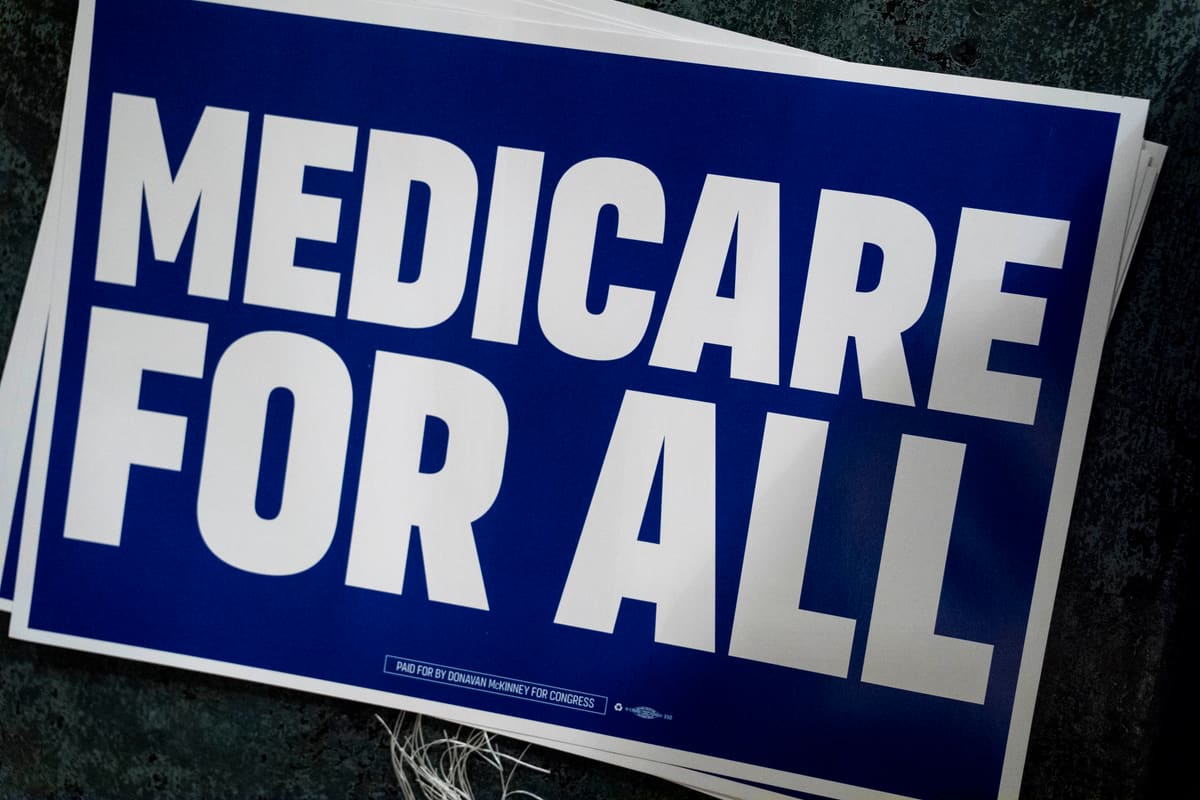
Proposals for a universal, single-payer health care system continue to run into a familiar political obstacle: sticker shock over the massive government spending required to run it. Advocates trying to build public support say their biggest challenge is helping voters compare those numbers with what the nation already pays.
Across the country, including in states like Oregon and in debates ahead of midterm elections, lawmakers and health policy groups are revisiting whether a publicly financed system could cover everyone. Critics quickly point to the trillions of dollars in new taxes or public budgets needed to fund universal coverage.
Comparing New Taxes With Current Spending
Supporters of single-payer care note that Americans already spend more than $5 trillion each year on health care through private insurance premiums, employer contributions, deductibles, co-pays, and existing government programs. Under a single-payer model, families and businesses would shift money away from private premiums and out-of-pocket bills into public financing.
Still, economists and political analysts say voters naturally focus on visible tax increases rather than the hidden costs of employer-sponsored insurance or surprise medical bills. Explaining how total household spending might change remains difficult in short campaign messages.
Why Cost Concerns Dominate the Debate
Even people frustrated with high insurance deductibles and denied claims often worry about disrupting the coverage they currently have. Opponents warn that transitioning to a single government-run system carries financial risks and could strain state or federal budgets.
As health costs continue to climb nationwide, both supporters and critics agree that clear answers on who pays, and how much, will decide whether universal health proposals gain traction.
- Current baseline: The United States already spends more than $5 trillion annually on health care.
- Messaging challenge: Voters often focus on projected tax hikes rather than offsetting savings from eliminated premiums.
- Ongoing debate: Cost concerns remain the primary hurdle for single-payer proposals at both state and national levels.