Leading Nutrition Scientist Faces Frozen Federal Grants Amid Harvard Funding Clash
Harvard researcher Walter Willett, known for his work on the Mediterranean diet and chronic disease, has had federal grants frozen despite national leaders emphasizing nutrition.
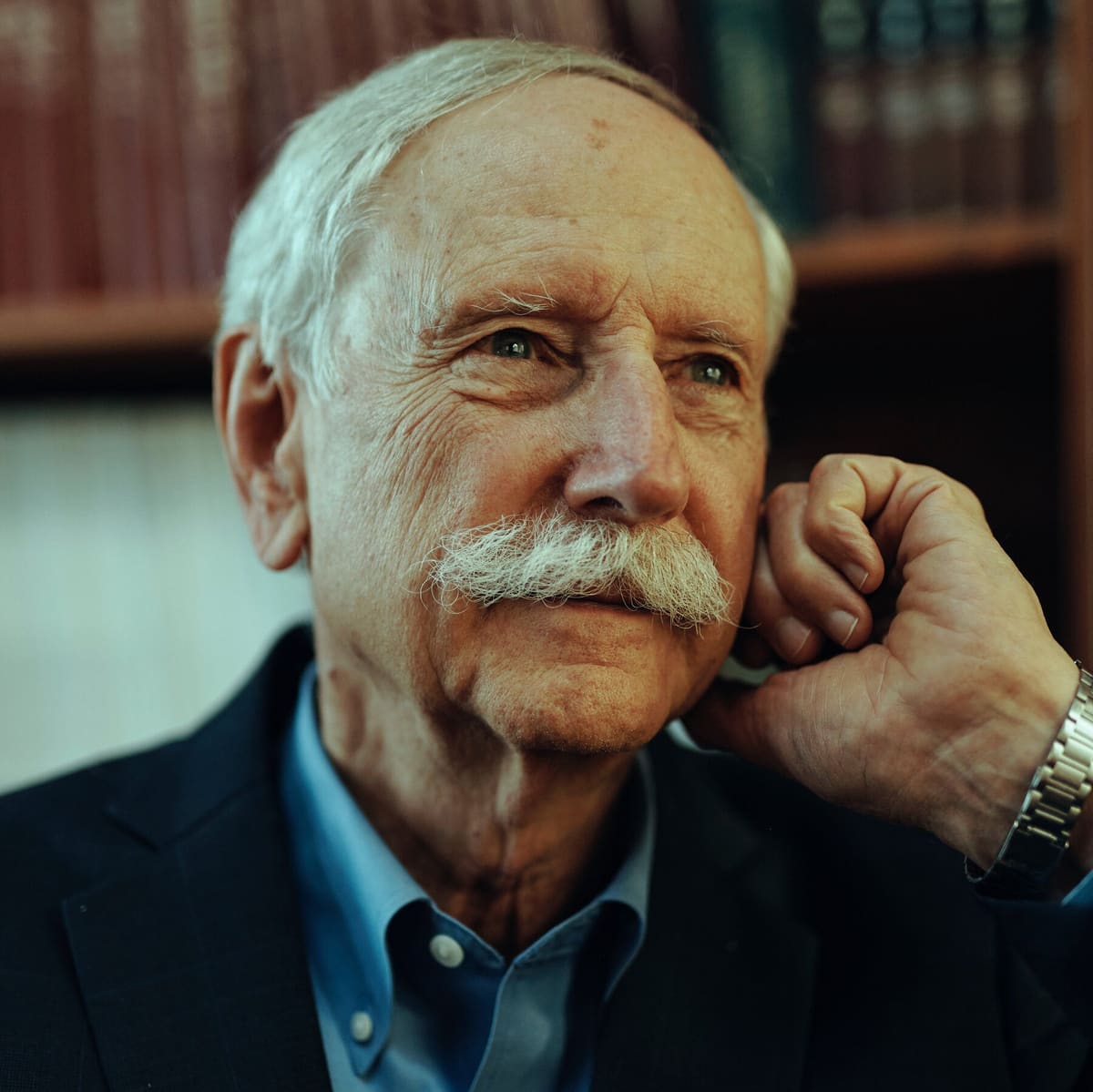
A prominent nutrition researcher whose work helped shape modern dietary advice has become caught up in a broader federal funding dispute involving Harvard University. Walter Willett, a longtime Harvard scientist best known for studying the health benefits of the Mediterranean diet, recently had his federal research grants frozen.
The freeze has drawn attention because improving nutrition and tackling diet-related chronic illnesses have been stated priorities for federal health leadership, including Health Secretary Robert F. Kennedy Jr. Even so, grants supporting long-running dietary studies at Harvard were swept up in broader administrative actions targeting the university.
Why Diet Research Matters
Willett's work focuses on how everyday eating patterns affect long-term health outcomes, including heart disease, diabetes, and healthy aging. Large nutrition studies often follow thousands of participants over many years, requiring steady funding to track health records, analyze data, and publish reliable findings.
When funding for multi-year studies stops suddenly, researchers warn that valuable data collection can be disrupted. Pausing a study midstream can break continuity and delay answers to pressing public health questions about what foods help prevent illness.
Tension Between Policy Goals and Funding Cuts
The situation highlights a growing disconnect between public health priorities and political disputes over university funding. While federal leaders have emphasized addressing poor nutrition and chronic disease across the United States, blanket freezes on institutional grants can halt the very scientific work meant to guide those efforts.
Researchers across academic medical centers say unpredictable grant freezes make it harder to plan long-term studies and retain trained staff.
- Key researcher affected: Walter Willett, a pioneer in Mediterranean diet research at Harvard, had his federal grants frozen.
- Policy contradiction: The freeze occurred despite federal health leaders prioritizing nutrition and chronic disease prevention.
- Research risk: Interrupting long-term studies can stall data collection and slow progress on dietary health guidance.