Spain's Pablo Hernández de Cos Set to Succeed Lagarde as ECB Chief
Pablo Hernández de Cos has secured the backing needed to become the next European Central Bank president, taking the helm amid uneven growth and political uncertainty.
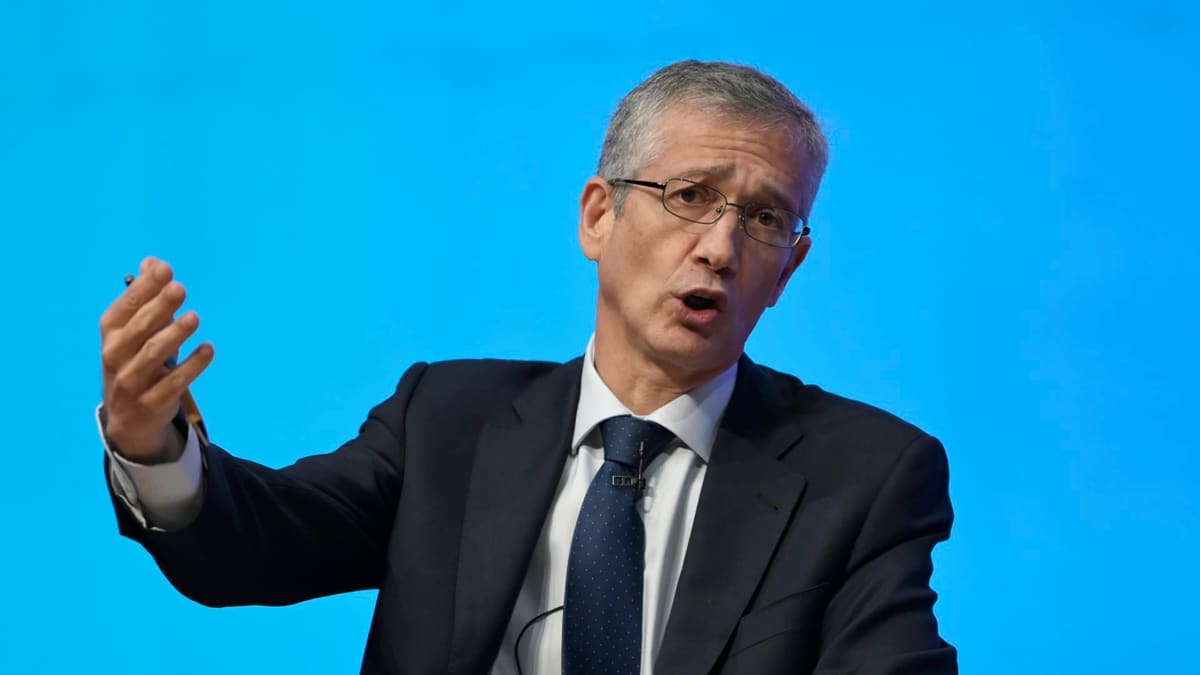
Spain's Pablo Hernández de Cos is set to become the next president of the European Central Bank after securing the political backing needed to succeed Christine Lagarde next year.
The appointment puts a seasoned central banker in charge of monetary policy for the eurozone at a delicate moment for Europe's economy, trade relationships, and global financial markets.
Stepping In Amid Choppy Growth
De Cos will take over as the currency bloc navigates uneven economic growth and heightened political uncertainty across major European capitals. Businesses and households across the region have been looking for steady leadership on borrowing costs and credit conditions.
As ECB chief, he will guide decisions on interest rates that directly affect mortgages, corporate loans, and government debt across Europe. Balancing sluggish growth risks without letting inflation flare back up will be his central test.
Why the ECB Transition Matters Beyond Europe
Changes at the top of the European Central Bank are closely watched in Washington and on Wall Street. Europe remains one of the largest trading and investment partners for U.S. companies.
When ECB interest rate expectations shift, the euro often moves against the U.S. dollar, affecting everything from American export competitiveness to global bond yields and corporate earnings. A predictable handover helps keep currency and credit markets calmer.
- Leadership change: Pablo Hernández de Cos has won enough support to succeed Christine Lagarde at the ECB next year.
- Tough backdrop: He inherits an economy facing choppy growth and political uncertainty across Europe.
- Global impact: ECB rate policy influences the euro-dollar exchange rate, global bond markets, and U.S. corporate earnings abroad.