U.S. Threatens New Tariffs on 14 Trading Partners to Speed Up Trade Deals
Washington is preparing a fresh wave of tariff hikes on 14 countries while offering lower rates to nations that sign new trade agreements.
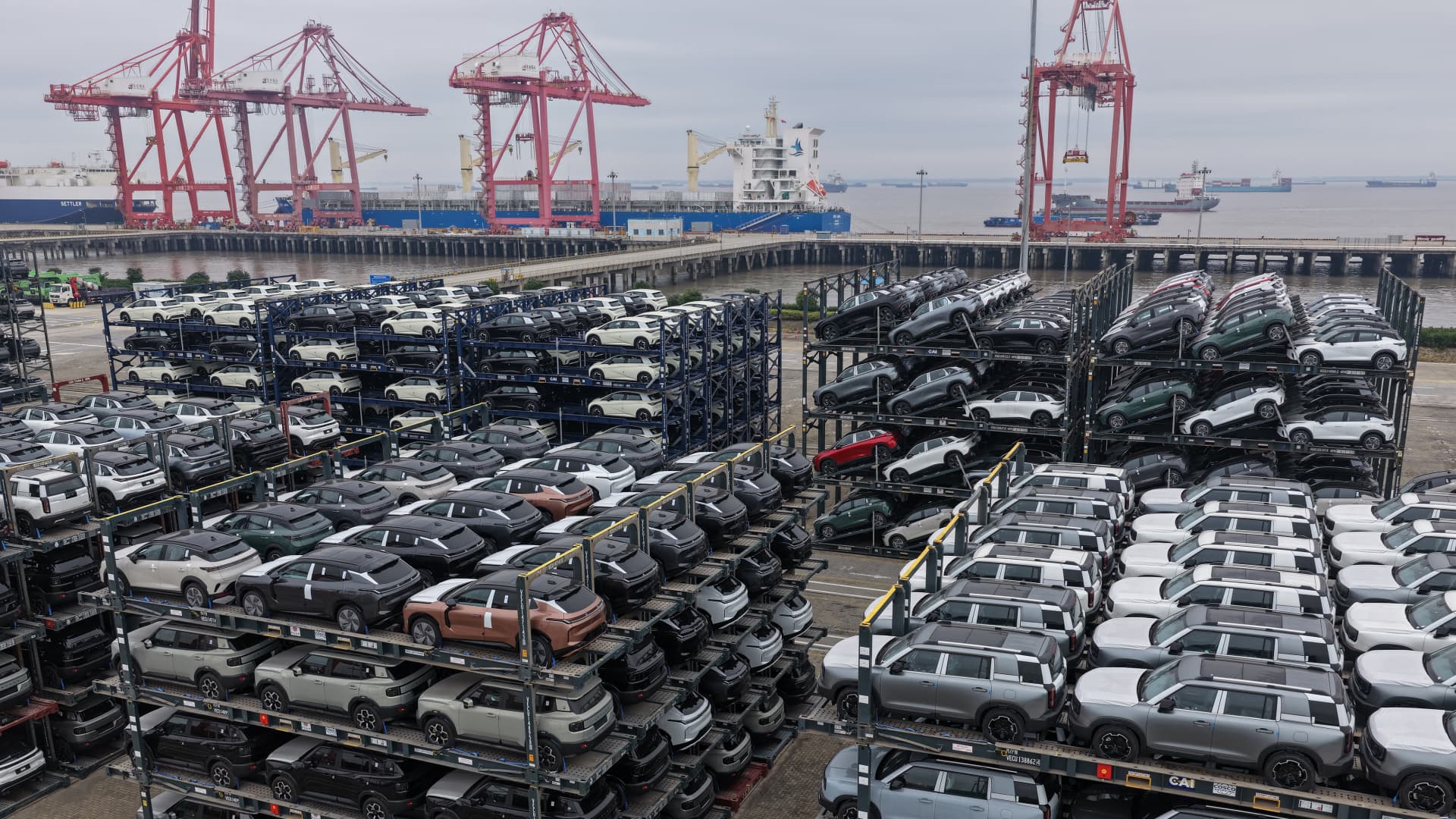
The United States is ramping up pressure on more than a dozen trading partners by preparing a fresh round of tariff increases. Under the plan, 14 countries face steeper import taxes unless they reach new trade agreements with Washington.
Tariffs are taxes placed on goods coming into a country from abroad. By threatening higher rates, U.S. officials are using access to the American market as leverage to push foreign governments toward deals that favor U.S. exporters and domestic industries.
How the Carrot-and-Stick Strategy Works
Rather than applying one uniform rule, the U.S. approach pairs the threat of higher duties with an offer of relief. Countries that sign formal trade agreements with Washington can qualify for lower tariff rates, giving negotiators a strong incentive to move quickly.
For U.S. businesses that rely on imported parts, raw materials, or finished goods, the uncertainty can make planning difficult. Companies often have to decide whether to absorb extra import taxes, switch suppliers, or pass higher costs on to American consumers.
- 14 countries targeted: A broad set of U.S. trading partners face potential duty hikes.
- Deal-making incentive: Nations that reach agreements with Washington can secure lower rates.
- Consumer impact: Higher tariffs can raise retail prices on imported goods if businesses pass costs along.
What Comes Next for Global Trade
Trade talks with several partner nations are expected to intensify as governments weigh the cost of new U.S. tariffs against the concessions needed to sign a deal. Some countries may also consider retaliatory tariffs on American products if negotiations break down.
Economists and market watchers will be looking closely at which nations reach agreements first and which goods are covered. How these talks play out could shape supply chains, factory orders, and retail prices across the U.S. economy in the months ahead.