Skull Markings Reveal Harsh Lives of Ancient Egyptian Cats Before Mummification
A study of skull markings on mummified cats from ancient Egypt shows that many animals bred as religious offerings endured poor conditions before they were killed.
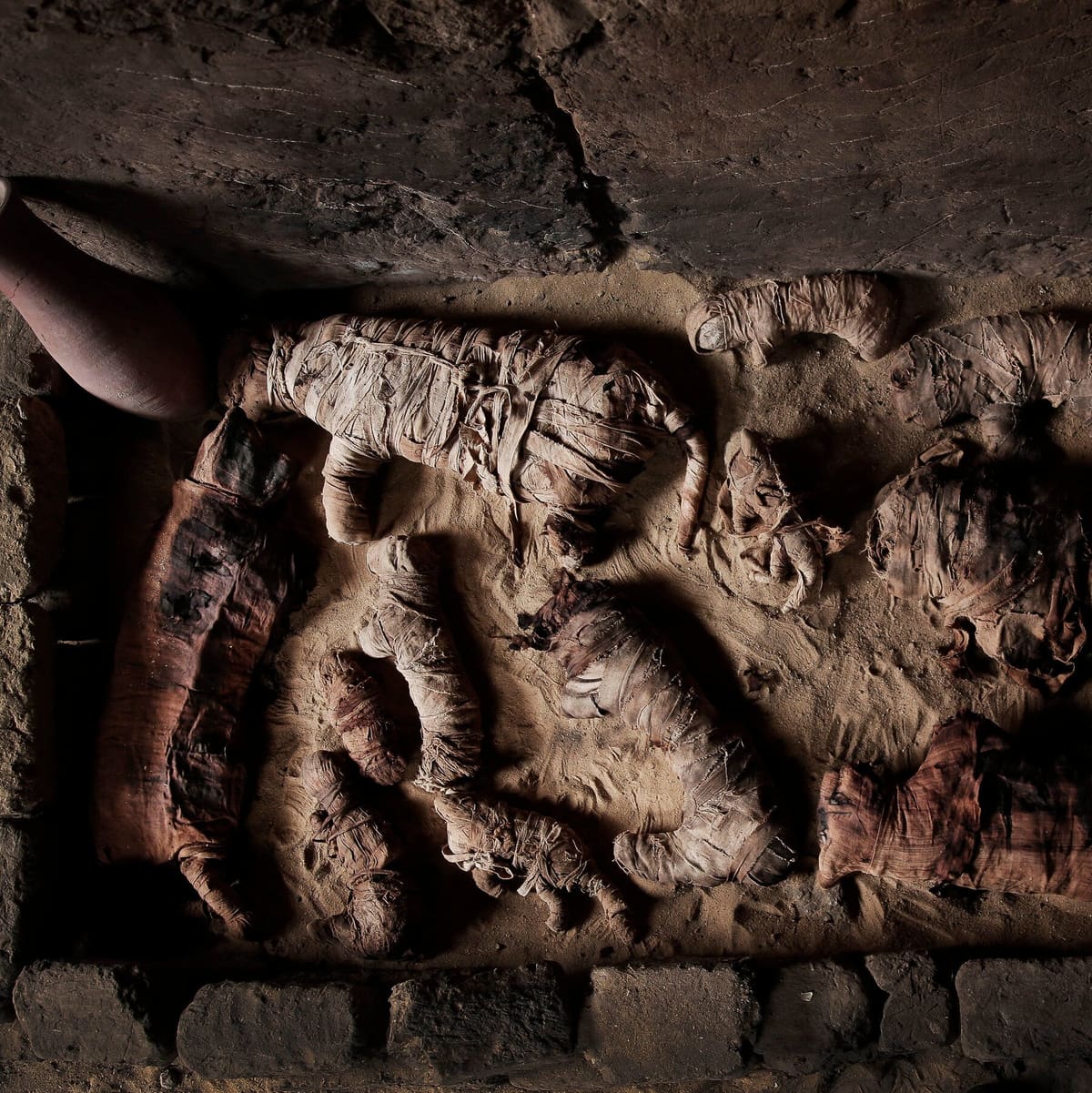
Ancient Egypt is famous for revering cats and burying millions of them as mummified offerings to the gods. Yet a closer look at the remains of these animals suggests that many spent their short lives in crowded, unhealthy conditions rather than pampered homes.
By examining markings on the skulls of mummified cats, researchers uncovered physical signs of hardship that formed before the animals died. The findings challenge the popular assumption that every animal prepared for sacred burial was treated with care while alive.
Clues Left in Bone
Archaeological evidence indicates that demand for animal mummies was enormous in ancient Egypt, with temples and workshops supplying offerings for worshippers seeking favor or expressing devotion. To keep up with that demand, many cats were likely raised specifically for the mummy trade.
The skull markings documented in the new research point to squalid living environments, stress, and neglect prior to mummification. In skeletal remains, signs of poor nutrition, infection, or physical trauma often leave lasting traces, allowing modern scientists to reconstruct how captive animals lived and died.
Reverence in Death, Neglect in Life
The contrast between how these cats were treated in life and how carefully they were wrapped in death highlights the commercial reality behind ancient religious rituals. While some household pets may have been mourned and honored, mass-produced temple offerings appear to have faced far harsher fates.
Studying animal mummies with modern forensic and archaeological tools continues to deepen scientists' understanding of ancient economies and daily life. Beyond myths and monuments, tiny details preserved in bone reveal the hidden human—and animal—costs of ancient traditions.
Key Takeaways
- Skull markings on mummified ancient Egyptian cats show signs of harsh, unhealthy living conditions.
- Many cats were likely bred in large numbers to meet religious demand for temple offerings.
- The findings reveal a sharp contrast between the animals' neglected lives and honored burials.