Lawmakers Reveal U.S. Approved 800,000 Nvidia AI Chips for Chinese Firms
Newly released records show the Commerce Department cleared more than 800,000 Nvidia AI chips for sale to Chinese companies, including some with military ties.
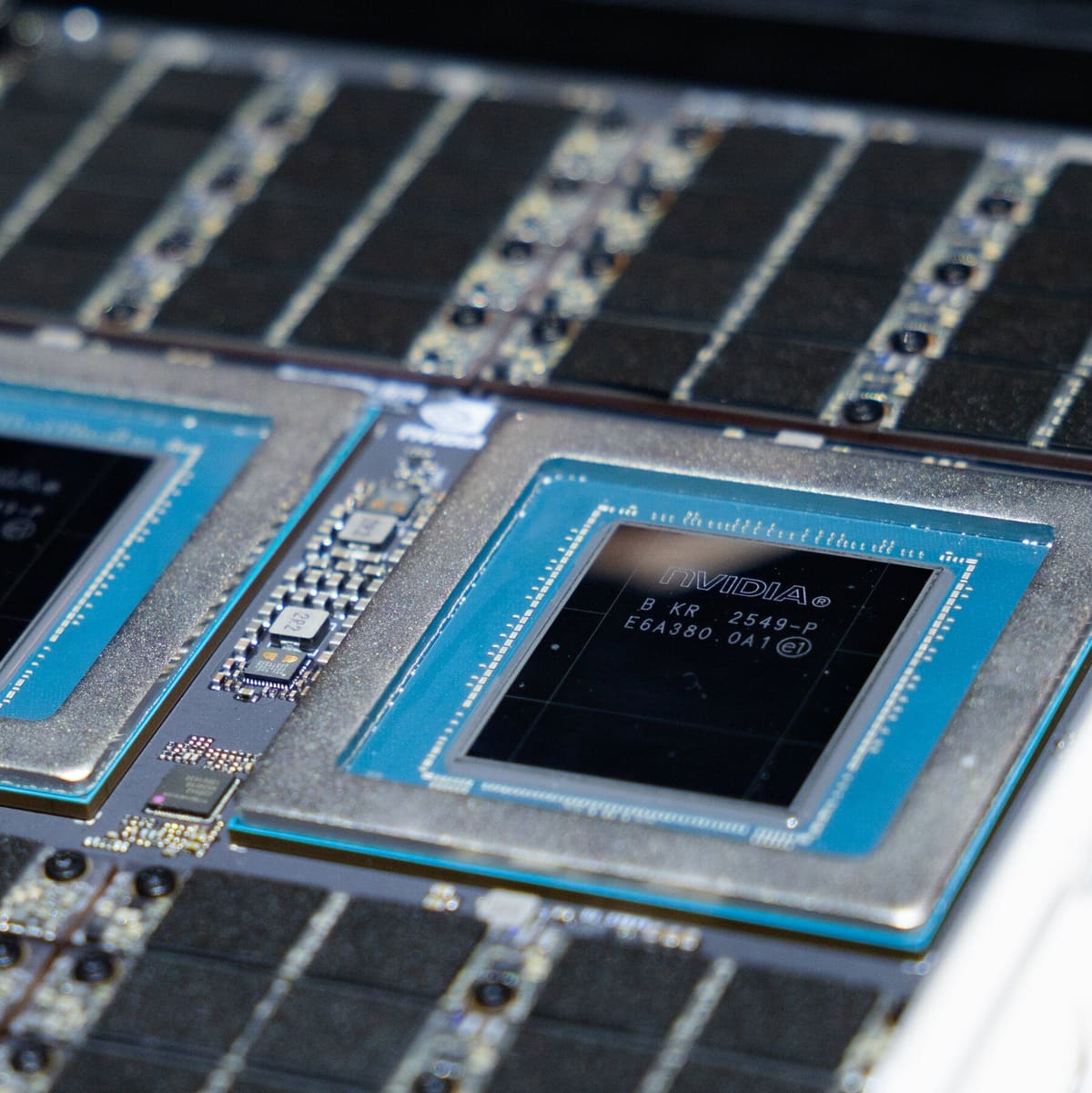
Fresh disclosures from lawmakers have put U.S. technology export rules back in the spotlight. Confidential information released by members of Congress showed that the Commerce Department approved the sale of more than 800,000 Nvidia artificial intelligence chips to Chinese companies, including firms linked to China's military and Megaspeed.
Advanced AI chips sit at the heart of both modern economic growth and national security. They power massive data centers used to train cutting-edge software, making access to them one of the fiercest points of competition between Washington and Beijing.
Balancing Business Sales and National Security
For U.S. semiconductor leaders like Nvidia, China has long been a major source of revenue and global demand. Cutting off sales completely can cost American chipmakers billions of dollars and push foreign buyers to develop rival hardware of their own.
At the same time, U.S. lawmakers from both parties worry that high-powered computing chips sold to Chinese businesses could strengthen Beijing's military capabilities or state-backed tech projects. The revelation that approved shipments reached companies with military ties has sharpened criticism of how export licenses are reviewed.
- Scale of approvals: More than 800,000 AI chips were cleared for sale to Chinese entities.
- Security concerns: Lawmakers flagged links between some recipients, Megaspeed, and China's military.
- Economic tension: Export curbs pit U.S. corporate revenue against national security priorities.
What Happens Next in Washington
The disclosures are likely to fuel demands on Capitol Hill for tighter oversight of the Commerce Department's licensing process. Lawmakers may push for stricter rules or clearer public reporting on which foreign companies are allowed to buy American-designed AI hardware.
For investors and the broader tech sector, any shift in export policy carries real financial stakes. Changes to licensing standards could reshape global chip supply chains and affect future sales for the world's largest semiconductor firms.