How Democrats' Election Wins Could Reignite U.S. Climate Policies
Even though climate change rarely headlined campaign speeches, environmental advocates say Democratic gains in Washington and state capitals open the door for new clean-energy action.
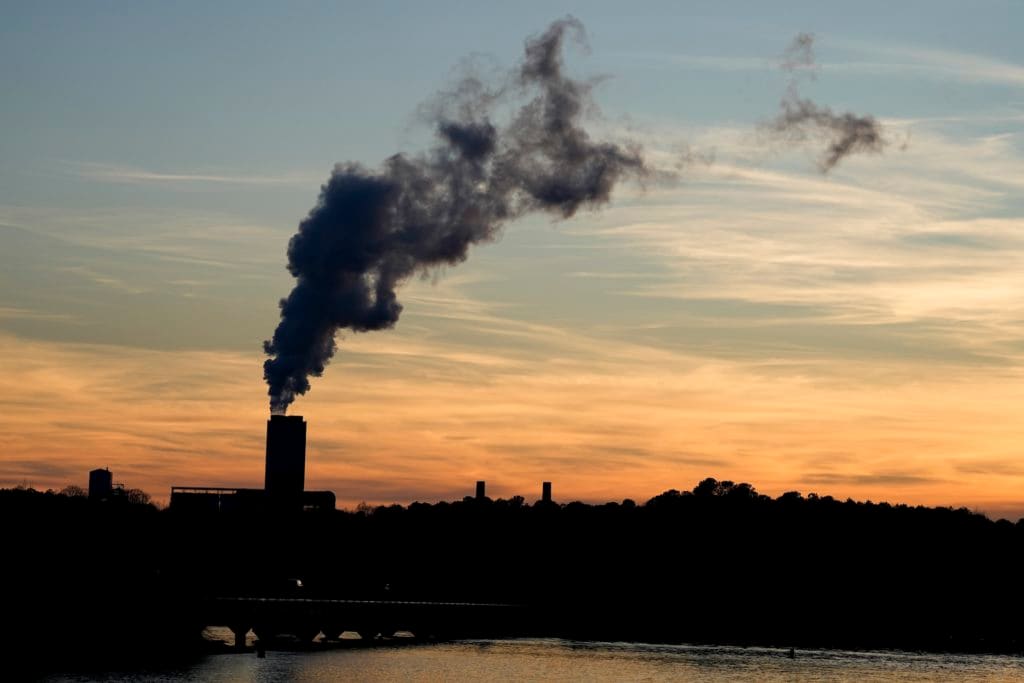
Climate change was not the loudest talking point on the recent campaign trail, where voters focused heavily on prices and daily household bills. Yet after Democrats secured sweeping victories nationwide—both in Congress and across key state governments—environmental groups say new climate action could soon follow.
For the past two years, federal climate policy has largely stalled or rolled back as the Trump administration prioritized fossil fuel production and eased environmental rules. Now, advocates argue that newly elected lawmakers have a fresh opening to advance clean-energy incentives, grid upgrades, and local emissions rules.
Why State Victories Carry Extra Weight
Much of the renewed optimism comes from state-level races, where governors and state legislatures control building codes, utility regulations, and state clean-energy funds. Even when Washington is gridlocked, states can require utilities to adopt more solar and wind power or invest in cleaner public transit.
In Congress, incoming Democratic majorities also gain leverage over federal spending and oversight. Lawmakers can defend existing clean-energy tax credits, investigate regulatory rollbacks, and tie climate resilience funding to bipartisan infrastructure and disaster-relief packages.
- State power: New state majorities can pass clean-electricity standards and energy-efficiency rules without federal approval.
- Budget leverage: House Democrats can work to protect clean-energy investments in upcoming spending bills.
- Kitchen-table framing: Advocates increasingly pitch clean energy as a way to lower utility bills and create local jobs.
What Happens Next
Environmental coalitions are already meeting with newly elected state and federal lawmakers to map out bills for early 2027. Many strategists say the most successful proposals will connect climate goals directly to lower electric bills, storm protection, and reliable power grids.
Whether those efforts translate into major legislation will depend on how aggressively state leaders act—and how effectively Democrats negotiate with a White House that favors traditional energy policies.