Trump Proposes New Tariffs on Major Trading Partners Despite Pushback
President Trump has outlined fresh import taxes targeting major U.S. trading partners. The proposal is drawing immediate criticism from Democrats and free-trade advocates worried about higher prices.
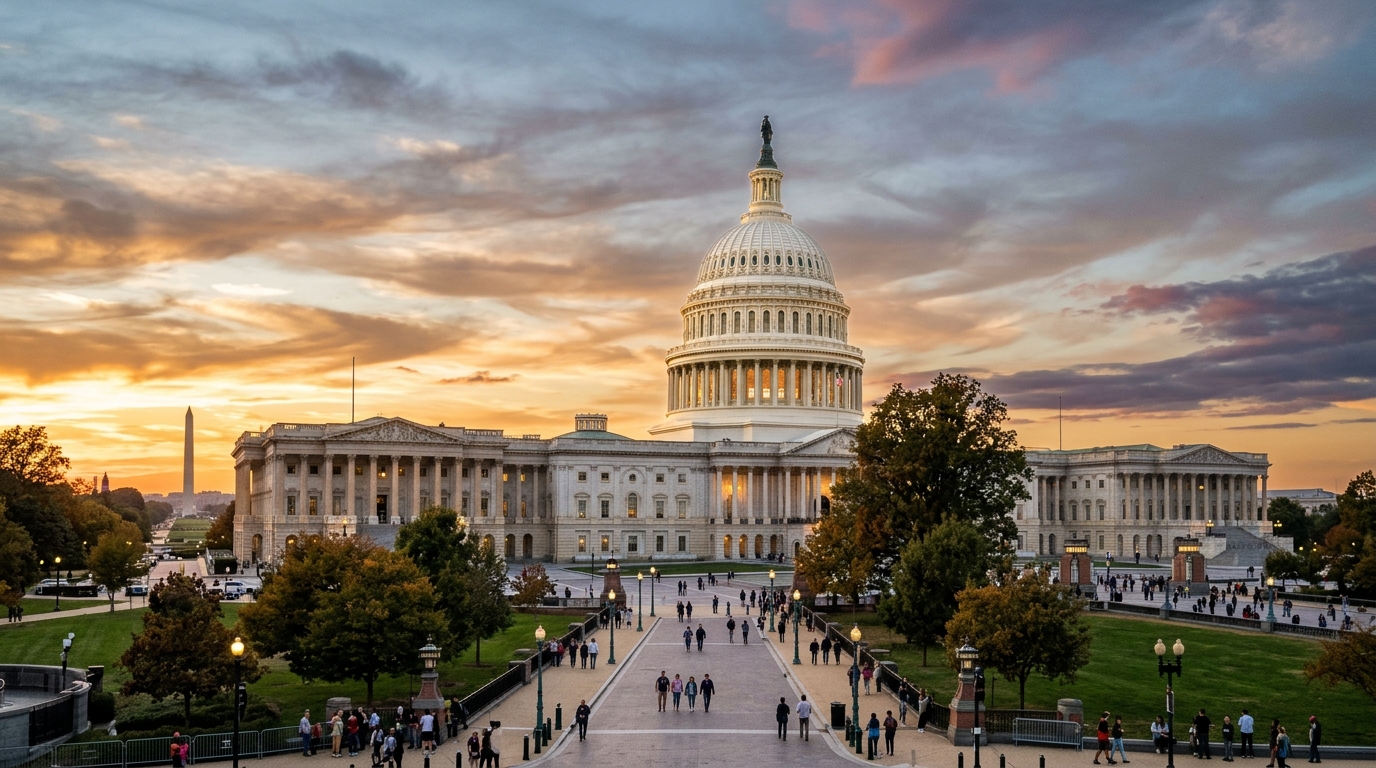
President Trump has proposed a new round of tariffs on goods imported from major U.S. trading partners, doubling down on a central piece of his economic agenda. The plan has already sparked sharp opposition from Democrats and free-trade supporters who warn it could raise costs for everyday families.
Tariffs are taxes placed on foreign products when they enter the United States. While the administration argues these duties protect American manufacturers and give Washington leverage in trade talks, importers often pass those added costs along to consumers at the store.
Growing Debate Over Household Costs
Opposition to the latest tariff plan comes at a sensitive political moment, with voters still focused on inflation and the cost of living. Critics in Congress say broad import taxes act like a hidden sales tax on groceries, electronics, clothing, and building materials.
Free-trade groups also worry that major trading partners could respond with retaliatory tariffs on U.S. farm exports and manufactured goods. That kind of tit-for-tat dispute has previously hurt rural communities and small businesses that depend on overseas buyers.
- Consumer prices: Economists warn new import duties could push up retail prices across everyday goods.
- Retaliation risk: Foreign governments may target American exports if the tariffs take effect.
- Political divide: Democrats and several pro-trade voices are urging lawmakers to check the president's tariff powers.
What Happens Next
Business associations and trade groups are closely watching for specific details on which products and countries would face the steepest rates. Lawmakers opposed to the plan are also exploring whether Congress can use upcoming legislation to limit unilateral tariff moves by the White House.
Whether the administration moves forward with full implementation or uses the threat as a bargaining chip, trade policy is shaping up to be one of the fiercest debates on Capitol Hill in the coming year.