High New Car Prices Push Used Auto Auctions to the Center of the Market
With new vehicles priced out of reach for many buyers, a major New Jersey auction campus is playing an outsized role in setting U.S. used car prices.
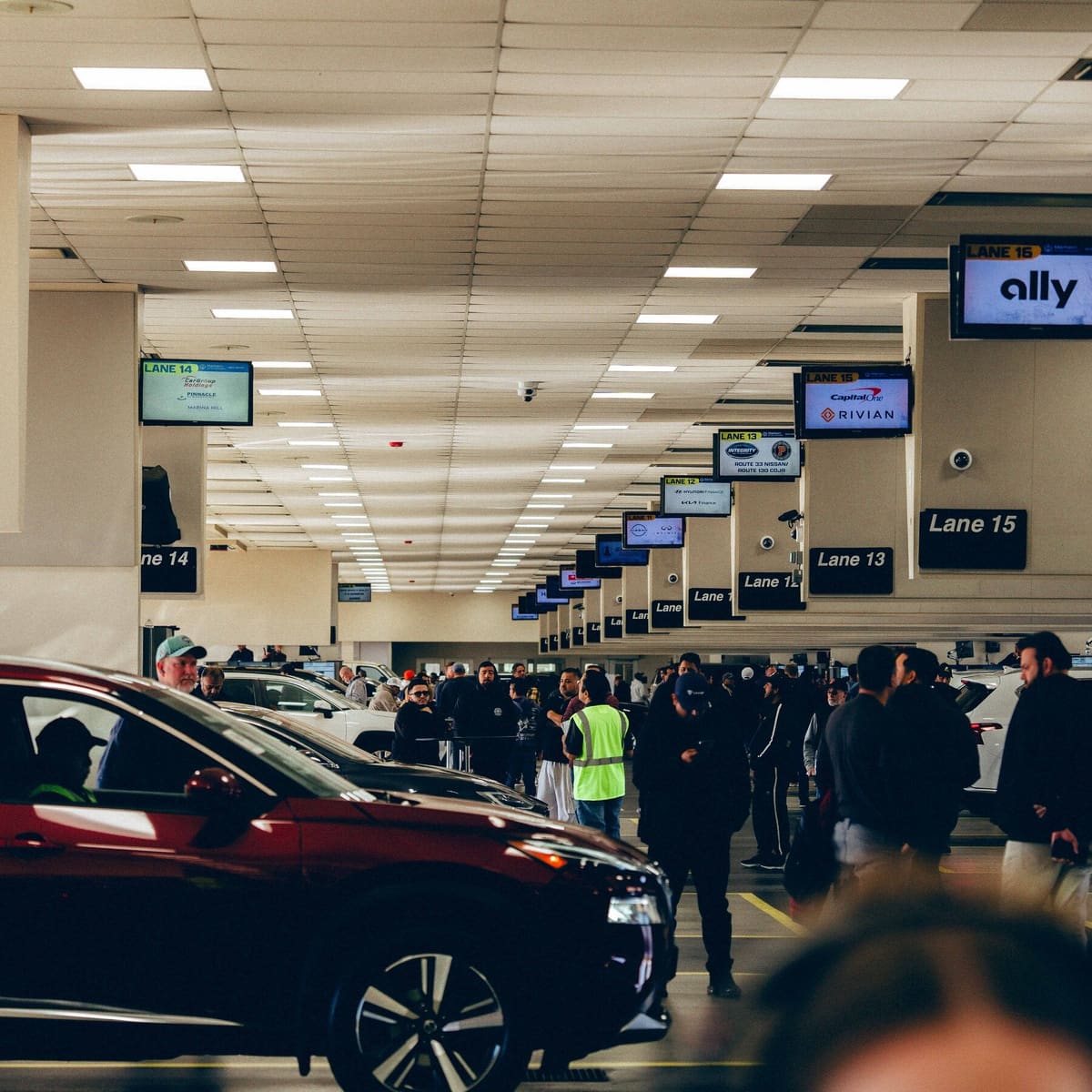
Buying a brand-new car has become too expensive for many American households, turning the used vehicle market into the real battleground for the auto industry. As demand shifts toward pre-owned cars and trucks, a sprawling Manheim auction campus in New Jersey has emerged as a key force in deciding what drivers pay.
Wholesale auto auctions are where dealerships buy and sell thousands of used vehicles behind the scenes before they ever reach a local showroom lot. Because so many cars change hands through major hubs like Manheim, the winning bids there quickly ripple out into retail sticker prices across the country.
Why Used Cars Matter More Than Ever
Steep sticker prices and high auto loan rates have pushed monthly payments on new vehicles beyond the comfort zone of typical families. As a result, more buyers are holding onto older cars longer or shopping exclusively in the used market.
That surge in demand keeps used car values elevated and forces dealers to compete fiercely for quality inventory. When wholesale auction prices climb in New Jersey and similar regional hubs, everyday buyers soon feel the pinch at neighborhood dealerships.
- Affordability squeeze: Expensive new models are driving more households toward used cars and SUVs.
- Wholesale benchmarks: Major auction sites like Manheim help set the market price dealers pay for inventory.
- Dealer competition: Tight supplies of reliable used vehicles keep prices firm across retail lots.
What Buyers Should Watch Next
For anyone planning to buy a car in the coming months, watching used-market trends is just as important as following automaker incentives. If new car financing remains costly, demand for affordable pre-owned models will likely stay strong.
Auto analysts expect wholesale auction activity to remain a reliable early warning sign for consumer prices. Whenever prices cool down at big auction campuses, buyers usually see better deals on dealership lots a few weeks later.