France Launches Defense-Industry Pact to Speed Up Counter-Drone Weapons
Pointing to lessons from Ukraine and the Middle East, French defense officials are partnering with domestic firms to rapidly field new anti-drone systems.
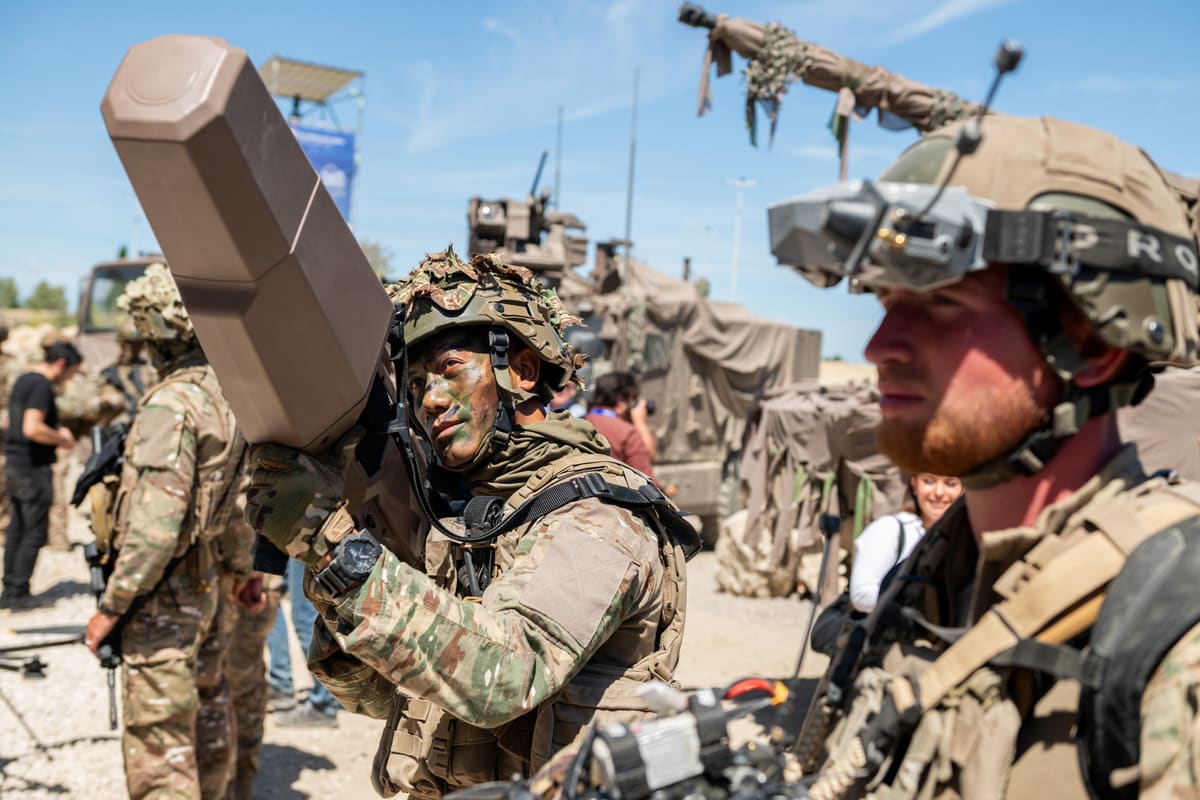
France has launched a new partnership with its defense industry to accelerate the development and production of counter-drone weapons. Junior Armed Forces Minister Alice Rufo said recent fighting in Ukraine and the Middle East has delivered a "quite brutal reality check," leaving French troops in urgent need of better protection from uncrewed aerial threats.
Cheap, widely available drones have transformed modern combat. Small commercial quadcopters and long-range one-way attack drones can spot artillery targets, drop explosives, or strike bases at a fraction of the cost of traditional aircraft and missiles.
Why Counter-Drone Defenses Are Hard to Build
Shooting down a low-cost drone with an expensive air-defense missile makes little financial or tactical sense over a long conflict. Armies need layered defenses that combine radar detection, electronic jamming, rapid-fire cannons, interceptor drones, and emerging directed-energy tools.
By bringing government buyers and defense manufacturers into a formal pact, Paris aims to cut red tape and move promising prototypes from testing ranges into soldiers' hands much faster. Shorter procurement cycles also help engineers keep pace as enemy drone tactics evolve month by month.
A Shared Priority Across NATO Allies
France's push mirrors urgent counter-drone efforts underway in the United States and across NATO. For American forces deployed overseas, defending airfields, ships, and forward bases from drone swarms has become one of the Pentagon's top operational challenges.
- The initiative: France kicked off a defense-industry pact focused on rapidly expanding counter-drone capabilities.
- Urgent lesson: Conflicts in Ukraine and the Middle East proved existing forces need faster, cheaper ways to stop hostile drones.
- Industry goal: Closer cooperation between the armed forces and manufacturers is meant to speed up testing and delivery.
- Allied relevance: Lessons from France's push align closely with U.S. and NATO efforts to protect troops from aerial swarms.