Was the Human Gut Healthier in Ancient Times? Scientists Look at Ancestral Microbiomes
New research comparing ancient human gut samples with modern populations reveals how processed foods, antibiotics, and urban living have reshaped our internal microbes.
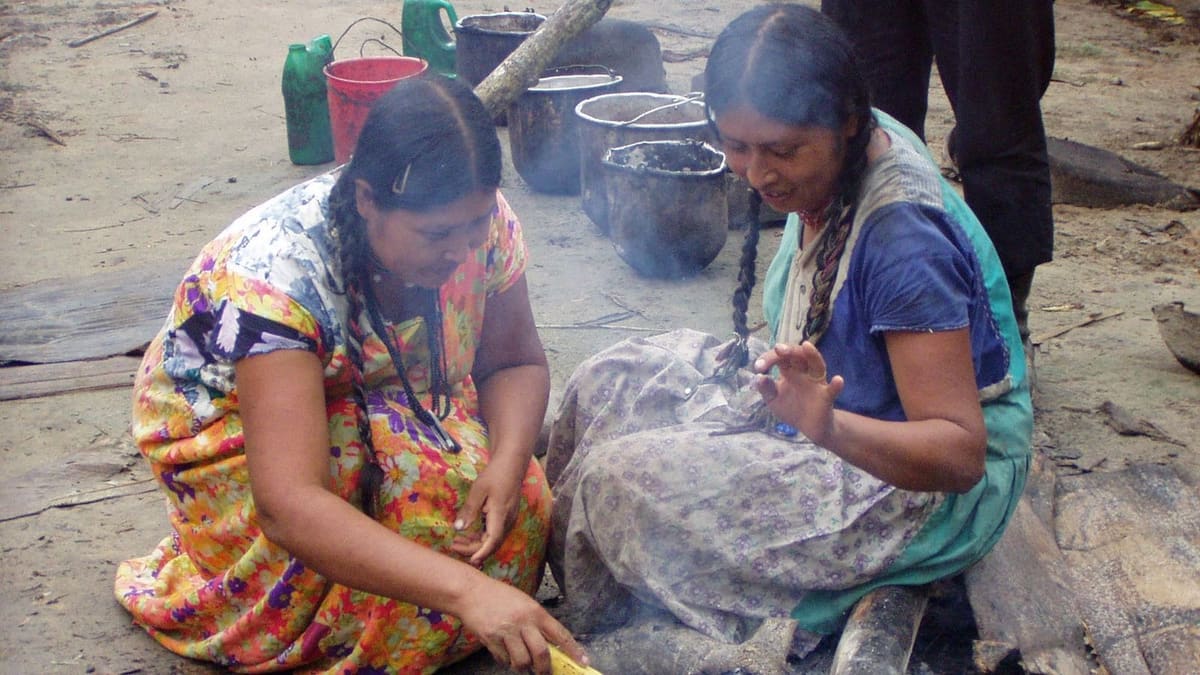
Inside the human digestive tract lives a vast community of trillions of bacteria, fungi, and viruses known as the gut microbiome. Scientists studying preserved biological samples from ancient humans are now asking an intriguing question: was our gut ecosystem healthier thousands of years ago than it is today?
Research comparing ancient gut remains with modern populations suggests that earlier humans carried a significantly more diverse range of gut microbes. In biology, greater diversity often means greater resilience, helping the digestive system extract nutrients from tough plant fibres and protect against harmful infections.
What Changed Between Ancient and Modern Diets
Ancient human diets were rich in unprocessed plants, wild roots, fermented foods, and natural fibres—all of which feed beneficial gut bacteria. Over the last century, however, modern life brought dramatic shifts: ultra-processed foods low in fibre, widespread use of antibiotics, sanitised water, and less contact with soil and natural environments.
While antibiotics and clean water have saved hundreds of millions of lives from deadly infections, scientists note they have also wiped out certain beneficial "old friend" bacteria that evolved alongside humans for millennia. Some researchers link this loss of microbial diversity to rising rates of allergies, autoimmune conditions, and metabolic disorders in modern cities.
Can Modern Diets Recover Lost Diversity?
Scientists caution against romanticising the past—ancient humans faced parasites, famines, and fatal infections that modern medicine now prevents. Instead, the goal is learning which protective microbes we lost and how modern nutrition can support the beneficial bacteria we still have.
- Key finding: Ancient human guts generally held a wider variety of microbial species than modern urban populations.
- Why it shifted: Low-fibre processed foods, frequent antibiotic use, and changing lifestyles reduced microbial diversity.
- Everyday takeaway: Eating diverse, fibre-rich whole foods—such as lentils, vegetables, whole grains, and traditional fermented foods—helps nourish healthy gut bacteria today.
As microbiome science advances, studying the distant past may help doctors design better diets and targeted probiotics for modern health challenges.