Growing Cash-Transfer Schemes Raise Long-Term Fiscal Concerns in India
Policy analysts warn that launching direct cash-transfer and subsidy schemes without prior cost reviews can lock Indian governments into lasting budget pressures.
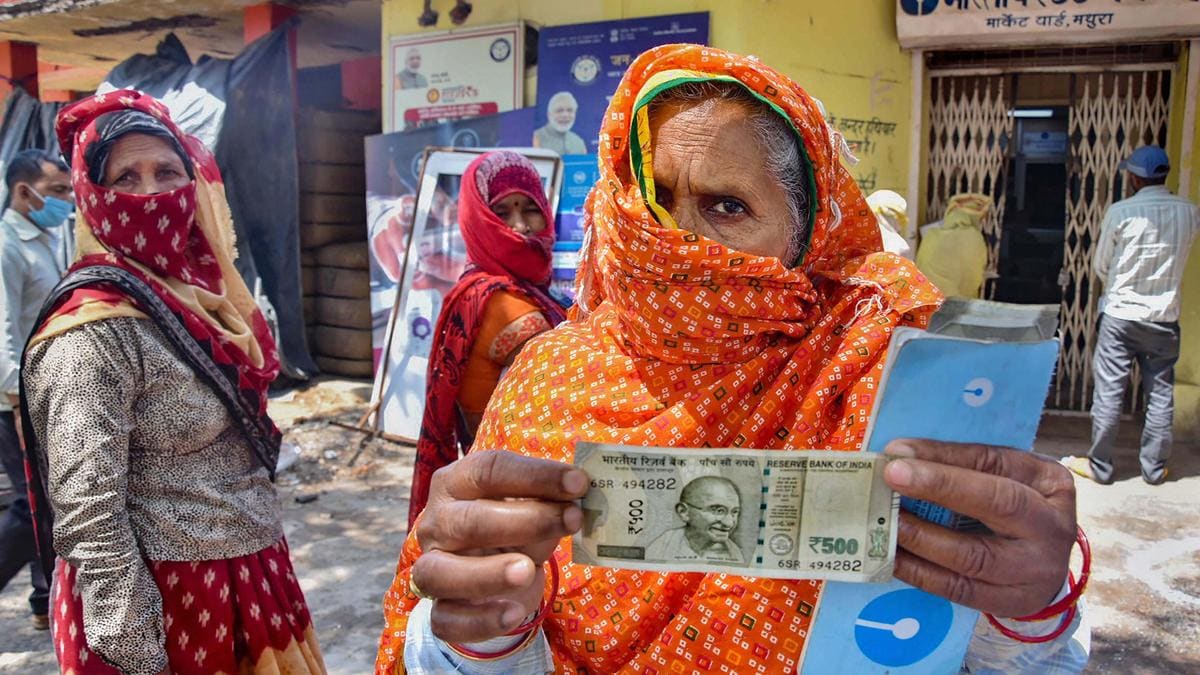
Direct cash-transfer programmes have become a central feature of welfare politics across India, but policy observers warn that their long-term financial cost is drawing growing concern. Many of these schemes are announced with an eye on electoral appeal and rolled out without formal cost-benefit checks beforehand.
Unlike one-time infrastructure projects or temporary relief packages, cash transfers and ongoing subsidies tend to become permanent fixtures. Once households begin receiving regular payments, scaling back or ending a programme becomes politically difficult for any government, regardless of which party holds office.
Why Perpetual Subsidies Strain Budgets
Because cash-transfer schemes create recurring monthly or annual obligations, they steadily absorb a larger share of state and central revenues. When tax collections slow or borrowing costs rise, governments have very little room to adjust these fixed payouts.
As a result, committed welfare spending can squeeze out capital expenditure on roads, schools, public health systems, and power networks. Economists emphasize that while targeted support helps vulnerable families, open-ended commitments made without prior financial appraisals risk weakening fiscal discipline over time.
The Case for Prior Appraisal
Budget experts argue that every major cash-transfer proposal should undergo a clear, independent assessment before launch. Measuring expected fiscal impact, identifying overlap with existing welfare schemes, and setting transparent funding sources can help governments protect both social safety nets and long-term economic stability.
Without stronger pre-launch scrutiny, rising subsidy bills could leave public budgets with fewer resources for job-creating investments in the years ahead.
- Permanent commitments: Cash transfers and subsidies rarely end once introduced, creating multi-year budget obligations.
- Missing pre-launch reviews: Many welfare payouts are rolled out for political gains without prior financial appraisals.
- Spending trade-offs: Rising recurring welfare costs can reduce funding available for public infrastructure and development.