US Tariff Plan Could Give India an Edge Over Asian Export Rivals
Washington has floated a 17% tariff on Indian goods under a potential trade deal, a rate that could help India beat regional competitors if talks succeed.
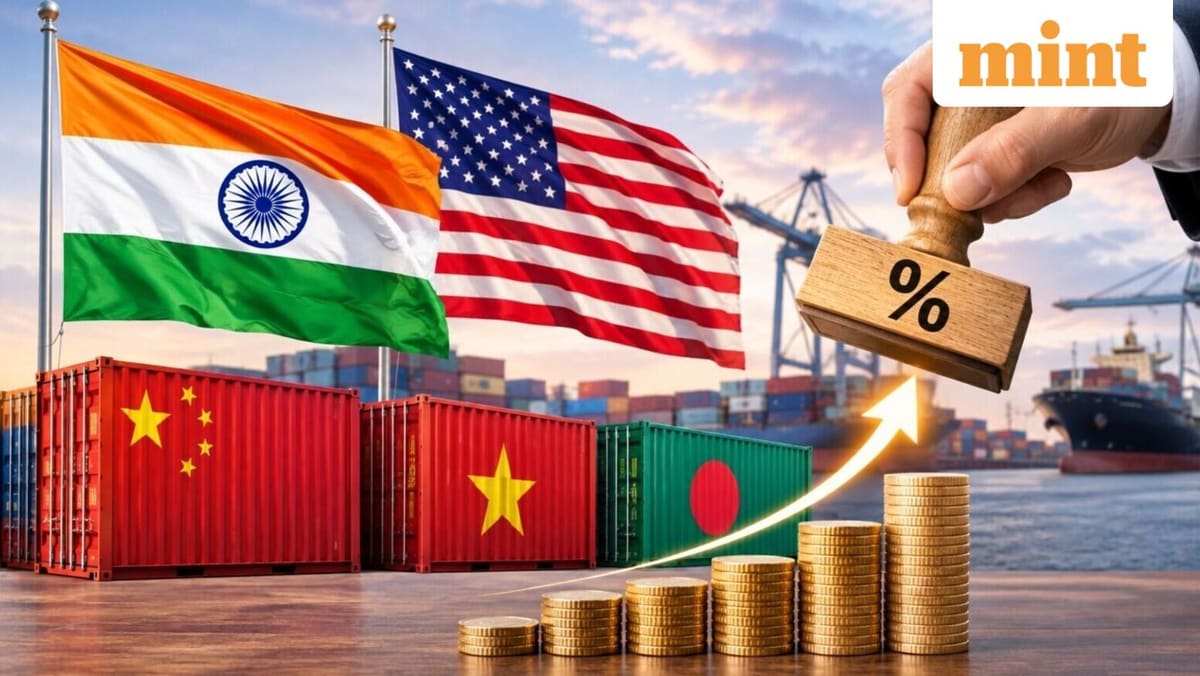
The United States has proposed setting a 17% tariff on Indian exports if New Delhi and Washington finalize a bilateral trade agreement. According to Mint, that rate could give Indian manufacturers a meaningful cost advantage over major Asian competitors such as China, Vietnam, and Bangladesh.
A tariff is a tax charged on goods imported from another country. When one country faces a lower tariff than its rivals, American buyers often find it cheaper to purchase products from that country, boosting its export orders and factory jobs.
What Washington Wants in Return
The proposed 17% rate is not automatic. To lock in the lower tariff, the United States is asking India for broader access to Indian markets and changes to certain trade rules. Washington wants fewer barriers for American goods and clearer policies for US companies doing business in India.
Indian negotiators, however, are pushing back carefully. New Delhi wants to protect sensitive domestic industries—such as small manufacturers and farmers—while still securing better terms for Indian exporters. Reaching a balanced agreement means finding compromises that work for both governments.
- Proposed rate: A 17% US tariff on Indian exports if a trade deal is completed.
- Competitive edge: Lower duties could shift orders away from China, Vietnam, and Bangladesh.
- Main hurdle: Washington wants greater Indian market access and trade policy concessions.
Why It Matters and What Happens Next
The United States is one of India's largest export destinations for textiles, electronics, pharmaceuticals, and engineering goods. If India secures more favorable tariff treatment than neighboring exporters, global brands looking to diversify their supply chains could move more production and sourcing to Indian factories.
In the coming weeks, trade officials from both countries will continue talks to iron out differences on market access and tariff rules. Exporters across India are watching the negotiations closely, knowing that the final terms will shape orders, pricing, and factory hiring in the year ahead.