European Bison Herd Nears 90 in Azerbaijan Nearly a Century After Disappearing
A rewilding effort in Shahdag National Park is bringing Europe's largest land mammal back to the Caucasus forests, with a goal of 100 animals by 2029.
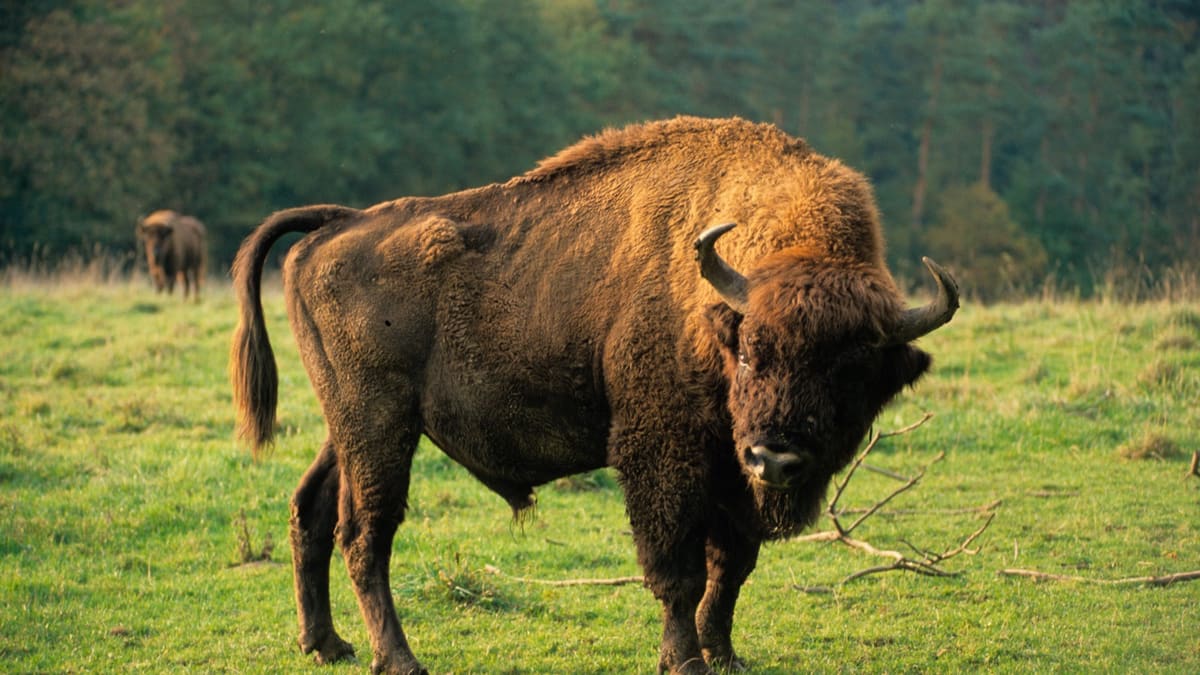
European bison are steadily reclaiming their place in Azerbaijan's Caucasus mountains nearly a century after disappearing from the region. Conservationists report that the free-roaming herd in Shahdag National Park has grown to around 90 animals, moving closer to a target of 100 bison established in the wild by 2029.
Wild European bison vanished from Azerbaijan in 1927 after decades of habitat loss and heavy hunting. Across Europe as a whole, the species was pushed to the brink of total extinction in the early twentieth century, surviving only through a handful of animals kept in zoos and reserves.
Rebuilding a Lost Mountain Herd
Careful captive breeding and international rewilding partnerships have helped bring the species back to several European forests over recent decades. In Azerbaijan, conservation teams have gradually introduced young bison into protected mountain valleys inside Shahdag National Park, where calves born in the wild now add to the growing population.
Reaching nearly 90 individuals marks an important ecological milestone. A larger herd has stronger genetic diversity and a better chance of withstanding harsh Caucasus winters, disease, and natural predators.
Why Large Grazers Matter for Forests
As Europe's heaviest wild land mammal, the bison acts as an ecosystem engineer. By grazing on tough grasses, browsing shrubs, and pushing through dense undergrowth, herds naturally keep forest clearings open.
Those sunlit patches support wildflowers, insects, birds, and smaller mammals that struggle in unbroken, shaded woodland. Rangers continue to monitor the herd's movements and health as the programme works toward its 2029 milestone.
- Century-long return: European bison disappeared from Azerbaijan in 1927 and are now thriving again in Shahdag National Park.
- Growing numbers: The Caucasus herd has reached roughly 90 animals, with plans to reach 100 by 2029.
- Ecosystem benefits: Large grazers help maintain open meadows and boost biodiversity across mountain forests.
- Conservation model: The recovery relies on captive breeding, careful releases, and long-term wildlife monitoring.