U.S. Marine Corps Tests Portable 5G Network for Dispersed Troops
The U.S. Marine Corps is testing a portable private 5G system to keep small, scattered units connected during field deployments.
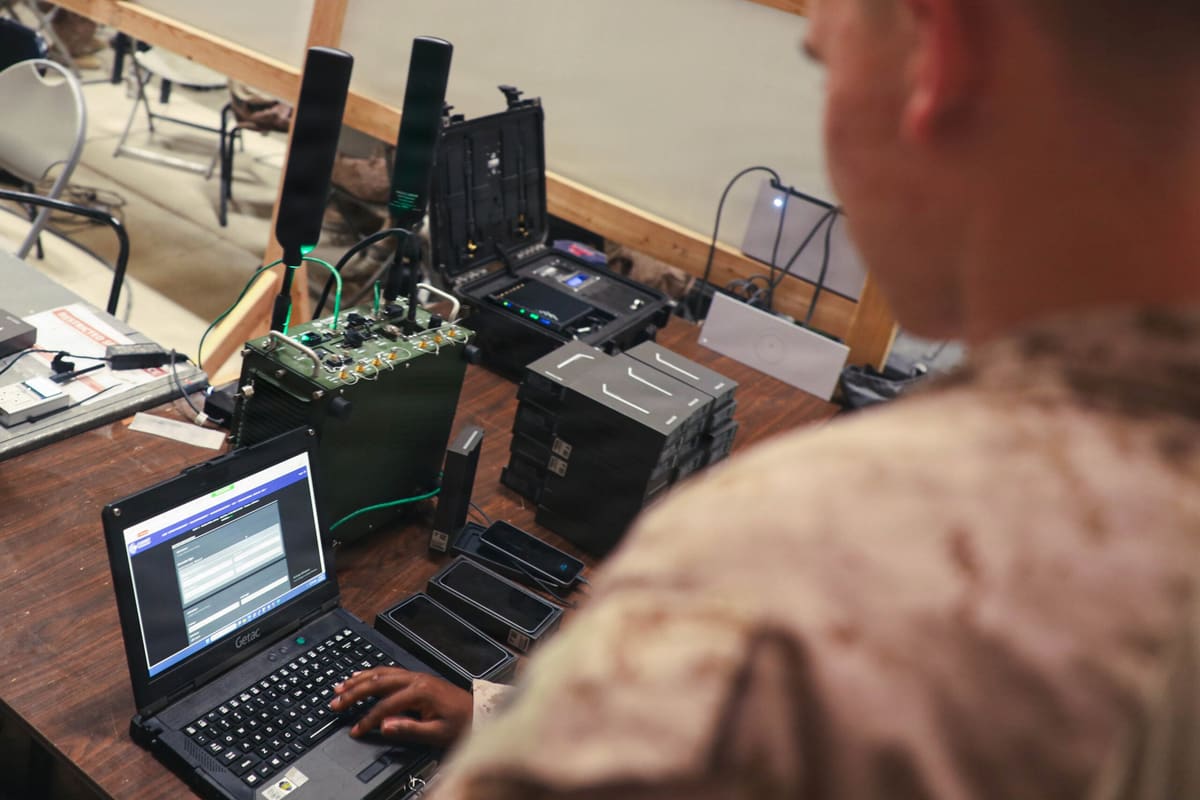
The U.S. Marine Corps is testing a portable communications system designed to give deployed units their own private 5G network in the field. The trial focuses on helping Marines stay connected when operating in small, widely separated groups away from traditional military bases.
Modern military operations increasingly rely on spreading forces across vast areas to avoid detection and reduce vulnerability to long-range strikes. Maintaining reliable, high-speed links between those scattered units remains a major technical hurdle.
Supporting Distributed Operations
The system under evaluation uses a Tactical High-Bandwidth, Low-Latency Minimum Viable Product setup. Rather than depending on local commercial cell towers or fixed infrastructure, units can bring a self-contained wireless network directly into austere environments.
Private 5G connections allow troops to share large volumes of sensor data, video feeds, and tactical updates quickly. Faster data transfer with minimal delay helps commanders coordinate movements and make decisions in real time across dispersed coastal or land positions.
Because the gear is portable, Marines can pack, move, and set up the network rapidly as missions shift. That flexibility supports mobile expeditionary teams that cannot stay in one place for long.
Reducing Dependence on Fixed Infrastructure
Testing the equipment in realistic conditions helps Marine planners see how commercial-grade wireless technology holds up under military demands. Evaluating range, power needs, and setup speed will guide whether the service expands the capability across larger formations.
Key takeaways from the trial include:
- Mobile connectivity: The portable system creates a private 5G network without relying on host-nation telecommunications.
- Dispersed coordination: High-bandwidth, low-latency links help separated Marine units share real-time operational data.
- Expeditionary design: Lightweight, transportable hardware allows teams to relocate communications gear quickly during fast-moving deployments.