China's Factory Profits Rebound on AI Demand While Consumer Spending Lags
AI-driven manufacturing and exports are lifting industrial profits in China, even as weak household spending and real estate drag on the broader economy.
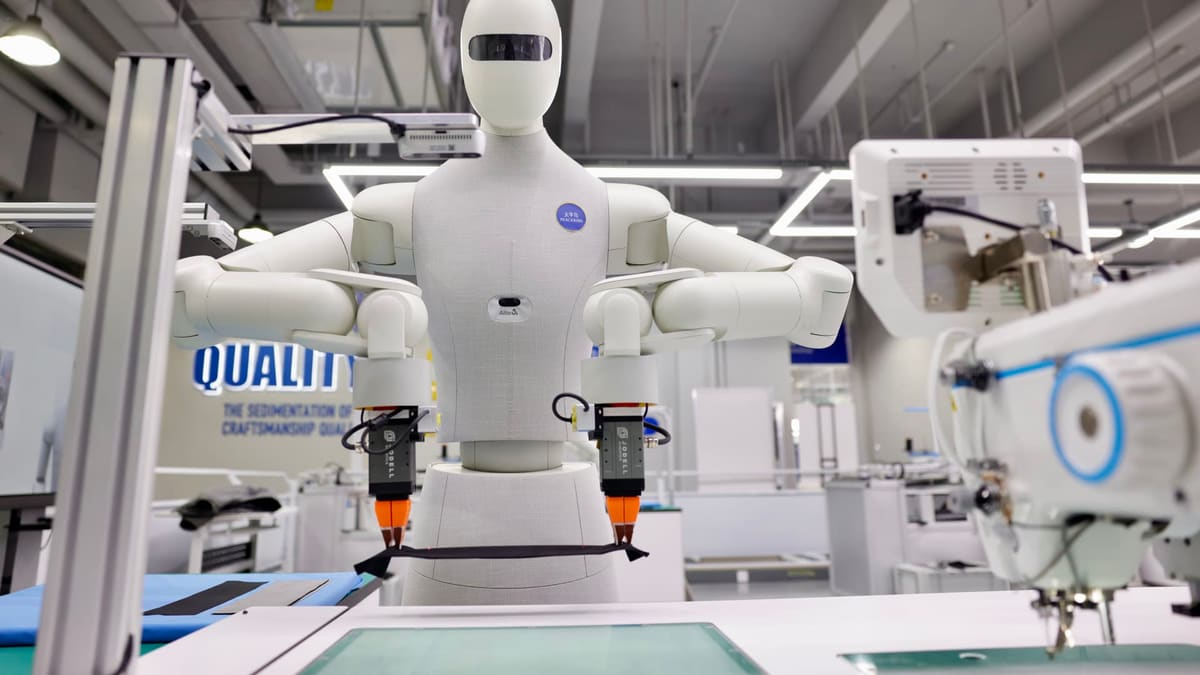
China's giant manufacturing sector is showing fresh signs of profit growth, but the recovery is sharply uneven. New industrial figures show that factories tied to artificial intelligence hardware and overseas exports are booming, while traditional parts of the economy remain stuck in low gear.
Economists describe China as running at two distinct speeds. On one track, high-tech factories building equipment for global AI data centers and advanced electronics are winning orders and boosting earnings. On the other track, everyday consumer spending and real estate investment continue to lag behind.
Why the Two-Speed Split Matters Globally
Because China is the world's second-largest economy and a major factory hub, its uneven recovery ripples across international markets. Strong AI manufacturing output helps keep global tech supply chains supplied, even as weak domestic demand limits how much Chinese households buy from U.S. and European brands.
The ongoing slump in Chinese real estate also weighs heavily on confidence at home. Because many families hold much of their savings in property, falling housing activity tends to make households cautious about spending money in stores and restaurants.
- AI winners: Tech-linked factories and export manufacturers are driving the rebound in industrial profits.
- Domestic drag: Weak consumer spending and sluggish real estate investment continue to hold back broader growth.
- Global spillover: Soft household demand in China limits export opportunities for foreign consumer companies.
What Economists Are Watching Next
Policy watchers are looking to see whether Beijing rolls out stronger measures to encourage household spending rather than relying mostly on factory exports. Without a steadier recovery in consumer confidence, China's growth may remain heavily dependent on overseas buyers.
That reliance carries risks at a time when the United States and other trading partners are threatening higher tariffs. How China balances its booming AI manufacturing sector against a sluggish home market will remain a major theme for the global economy into next year.