AI Startup Promises New Video Tools for Creators as Industry Debate Continues
A Silicon Valley venture backed by a YouTube co-founder says artificial intelligence can empower storytellers, even as artists raise concerns.
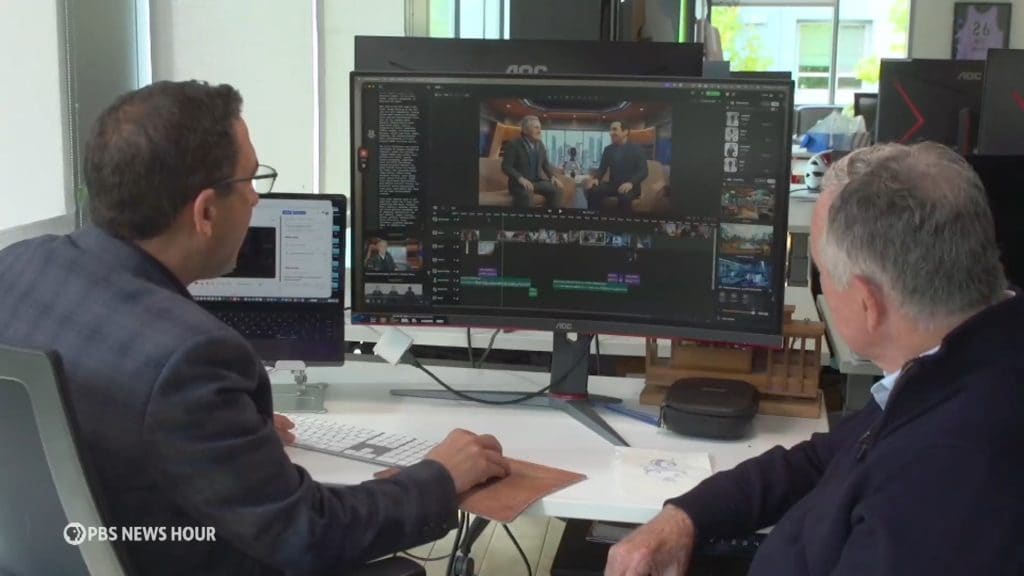
Artificial intelligence is rapidly changing how videos are planned, edited, and produced, sparking both excitement and anxiety across the entertainment world. A Silicon Valley startup founded by a YouTube co-founder is now promoting new AI tools designed to help independent creators make ambitious video projects more easily.
Supporters say this wave of software could transform video storytelling much the way YouTube transformed video distribution two decades ago. By automating complex visual tasks, small teams and solo creators may soon produce work that once required studio budgets.
New Tools for Independent Storytellers
Traditional filmmaking demands expensive cameras, lighting crews, editing suites, and visual effects artists. AI video platforms aim to lower those barriers, allowing creators to test ideas, generate scenes, and polish footage faster from a laptop.
For online educators, animators, and independent filmmakers, faster production cycles could open the door to fresh voices outside major media companies. Startups in this space argue they are expanding who gets to tell visual stories, not replacing human imagination.
Why Artists Remain Cautious
Still, the rapid rise of generative AI leaves many creative workers uneasy. Writers, actors, animators, and editors worry about copyright protections, uncredited use of existing art to train AI models, and shrinking demand for entry-level creative jobs.
- Creator access: AI tools aim to lower costs and speed up video production for small teams.
- Notable backing: A YouTube co-founder's involvement highlights strong Silicon Valley interest.
- Unresolved worries: Creators continue to push for clear rules on copyright, credit, and fair pay.
- Shifting landscape: Audiences and platforms are still deciding how AI-assisted media should be labeled and valued.
As technology firms roll out more capable video tools, the cultural debate will center on how to balance creative freedom with fair protection for human artists.