75 Years After Premiere, Stravinsky's 'The Rake's Progress' Feels Timely Again
Once dismissed as an outdated flop in Venice, the composer's opera about greed and deception is returning to Italy with fresh resonance.
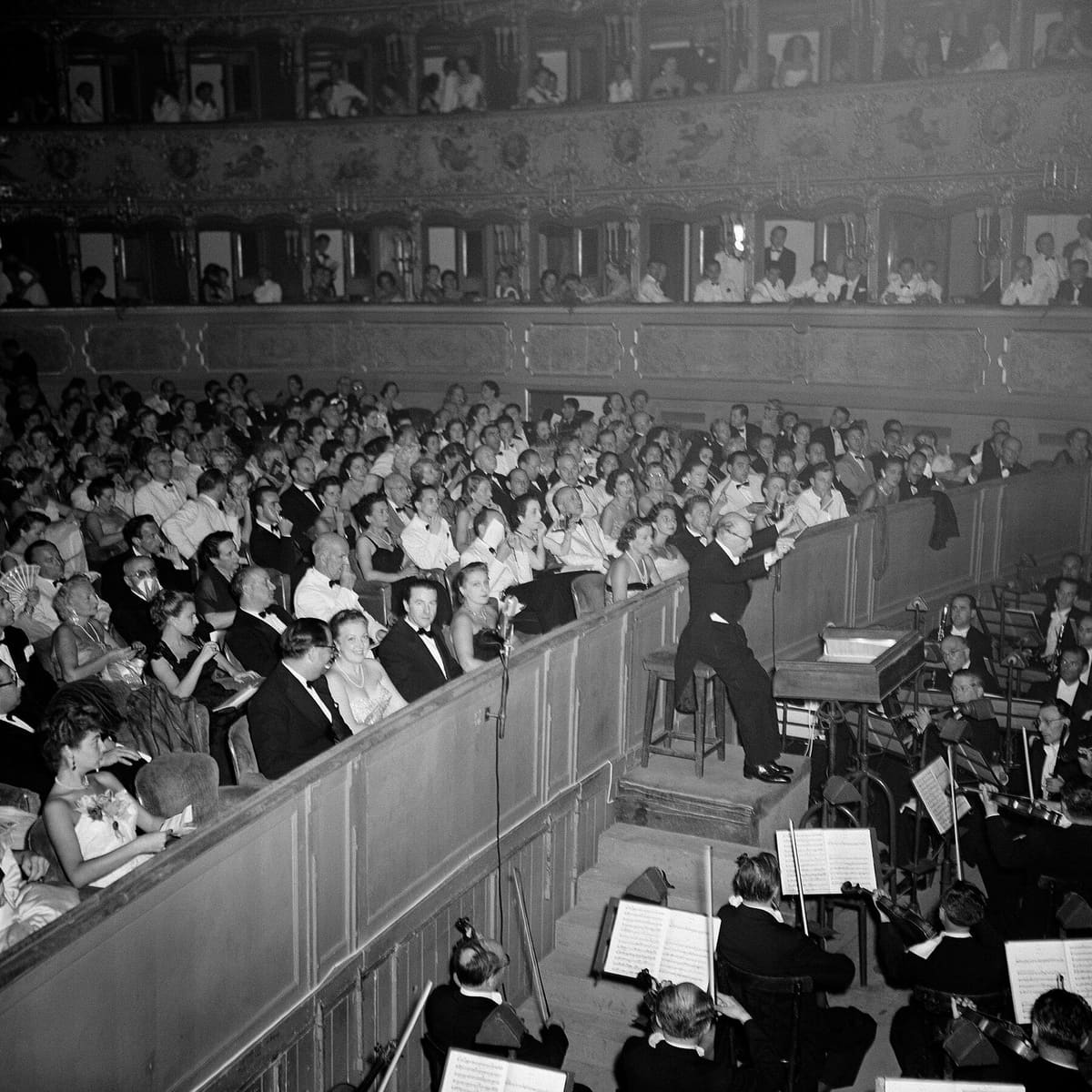
Igor Stravinsky's opera The Rake's Progress did not receive a warm welcome when it premiered in Venice 75 years ago. At the time, many critics brushed it off as backward-looking because it drew on 18th-century musical forms instead of the experimental styles then dominating European music.
Today, the opera is returning to Italian stages with a very different reputation. Far from sounding dusty, directors and audiences say its story of greed, empty promises, and moral collapse feels strikingly close to modern life.
From Controversial Flop to Modern Classic
Written with an English libretto by poets W.H. Auden and Chester Kallman, the opera follows Tom Rakewell, a young man who abandons love and stability after a devilish stranger tempts him with easy wealth and wild schemes. Every shortcut Tom takes leads him deeper into ruin.
In the early 1950s, Stravinsky's playful use of harpsichord recitatives and Mozart-inspired melodies confused listeners expecting harsh modernism. Over the decades, however, musicians came to admire how sharply the bright, structured music contrasts with the story's dark cautionary tale.
Why Its Themes Hit Home Today
In an era shaped by speculative fortunes, online hype, and quick-fix promises, Tom Rakewell's downfall reads less like an 18th-century fable and more like a mirror of contemporary ambition. New productions in Italy highlight that tension, treating the work as a piece firmly rooted in our own time.
- 75th anniversary: The Rake's Progress premiered in Venice seven and a half decades ago.
- Reappraised legacy: Once called outdated, it is now widely regarded as a 20th-century masterwork.
- Core themes: Greed, deception, and the cost of chasing instant success drive the plot.
- Fresh stagings: Returning productions in Italy emphasize how relevant the story remains today.
What once looked like a nostalgic detour in Stravinsky's career now stands out as one of his sharpest commentaries on human nature.