The Rise of Faithcations: Why India’s Temple Towns Are Seeing Weekend Crowds
Improved highways and easy online bookings are turning sacred Indian towns into popular short weekend retreats for younger travelers and families.
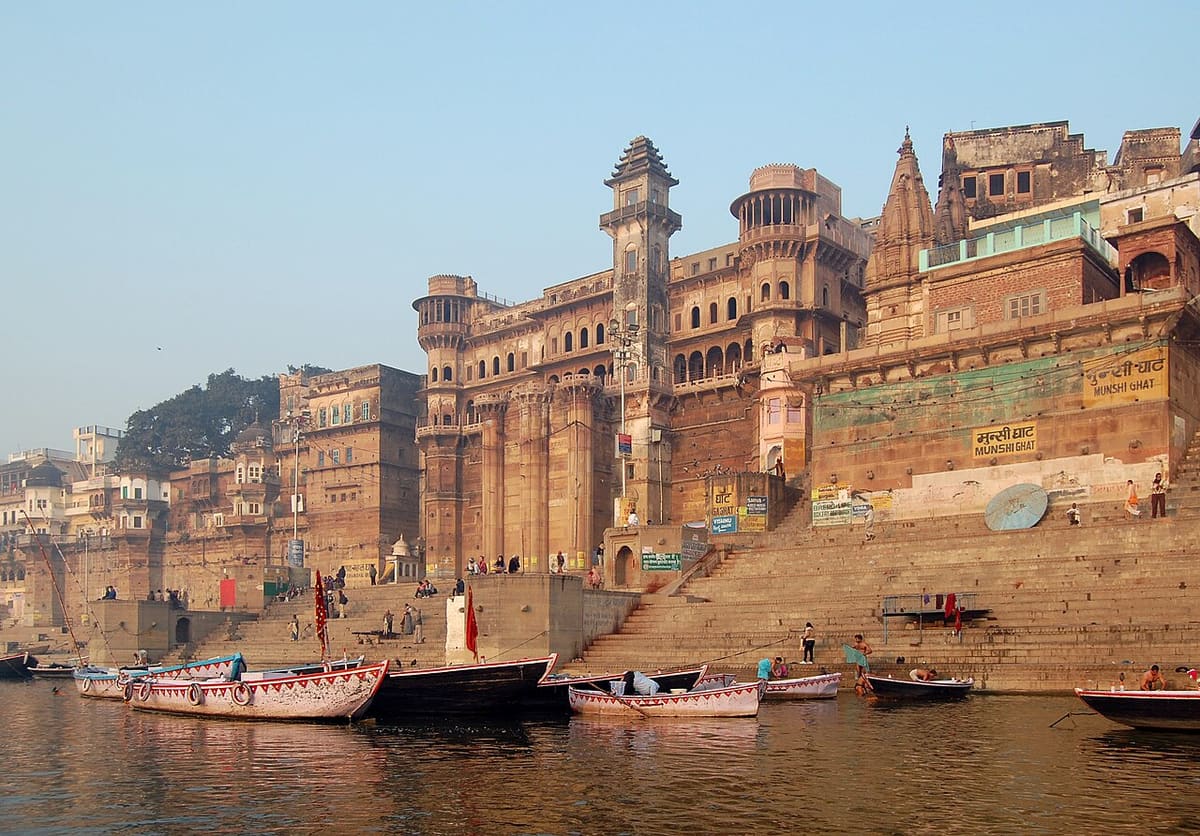
Pilgrimage travel in India used to mean long, exhausting journeys planned once a year around major festivals. Today, a growing number of families, young professionals, and solo travelers are replacing traditional leisure getaways with short, frequent visits to sacred towns—a trend widely called the "faithcation."
Better Roads and Simpler Planning
Faster highways, cleaner intercity buses, and mobile ticketing apps have removed much of the difficulty once tied to visiting temple hubs. A trip from major cities like Bengaluru to Tirupati, or quick weekend drives to Varanasi, Ujjain, and Rishikesh, now takes far less planning than before.
Transport operators have reported sharp jumps in passenger numbers along popular spiritual corridors over the past two years, driven largely by repeat visitors. Improved guesthouses, clear online darshan slots, and reliable weekend transit mean booking a two-day spiritual trip now feels as straightforward as reserving a standard hill-station stay.
A Broader Mix of Devotees
While older generations remain the backbone of religious travel, temple towns are welcoming noticeably more young adults, women travelers, and residents from smaller Tier-2 and Tier-3 cities. Many combine morning prayers and temple rituals with local food, heritage walks, and quiet time away from busy city screens.
Instead of viewing pilgrimage as a rare obligation, travelers increasingly treat sacred towns as regular spaces for mental reset, community warmth, and cultural connection.
- Shorter, frequent trips: Weekend spiritual breaks are replacing once-a-year pilgrimages.
- Infrastructure drives growth: Modern highways and digital bookings make temple travel accessible.
- Changing visitor profile: Younger travelers and women are shaping demand across sacred towns.