Proposed Delimitation Bill Sets 850 Lok Sabha Seats, Women's Quota, and 25-Year Freeze
The full text of the Constitution (132nd Amendment) Bill outlines a major expansion of the Lok Sabha to 850 seats alongside a women's reservation and a 25-year freeze.
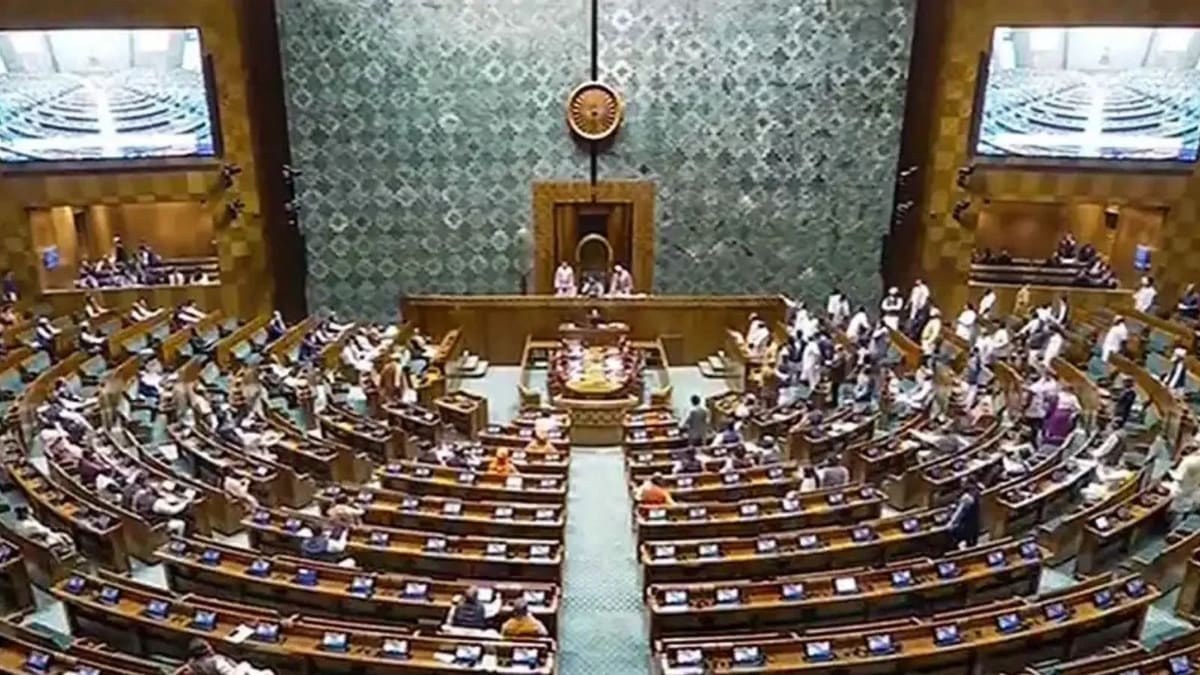
India's proposed Delimitation Bill, formally listed as the Constitution (132nd Amendment) Bill, lays out a sweeping roadmap for how parliamentary seats will be distributed in the future. According to the full text of the legislation, the lower house of Parliament, the Lok Sabha, would expand to 850 seats.
At present, the Lok Sabha has 543 elected members, a ceiling that has been frozen for decades. Expanding the house to 850 seats would represent the largest increase in parliamentary representation since independence, aimed at reflecting India's population growth over the past half-century.
Key Provisions in the Bill
The proposed constitutional amendment pairs seat expansion with two major structural rules. First, it incorporates the women's quota framework so that women hold a guaranteed share of seats in the expanded legislature. Second, it introduces a 25-year freeze once the new seat map takes effect, ensuring stability in constituency boundaries for a quarter-century.
Delimitation—the process of redrawing electoral boundaries based on population—has long been a sensitive political issue in India. Southern states that slowed population growth earlier have often voiced concern that a purely population-based formula could reduce their share of national seats relative to faster-growing northern states.
- Expanded House: Lok Sabha strength proposed to rise to 850 seats.
- Gender Representation: Includes provisions linked to the women's reservation quota.
- Long-Term Stability: Sets a 25-year freeze on further seat adjustments after implementation.
Why It Matters and What Happens Next
Changing the size and structure of the Lok Sabha requires a constitutional amendment, which means the bill faces intense scrutiny across party lines in Parliament and among state governments. How seats are shared among states will directly shape national policymaking, coalition politics, and regional representation for decades.
Lawmakers, constitutional experts, and state leaders are expected to debate the fine print of the bill closely in the coming sessions, especially around how state-by-state seat allocations are balanced.