Ex-Air Chief Criticises Skipping Local Uttam Radar on Tejas Mk1A
Former IAF chief RKS Bhadauria called HAL's radar choice a poor decision, sparking fresh debate over how India integrates homegrown jet technology.
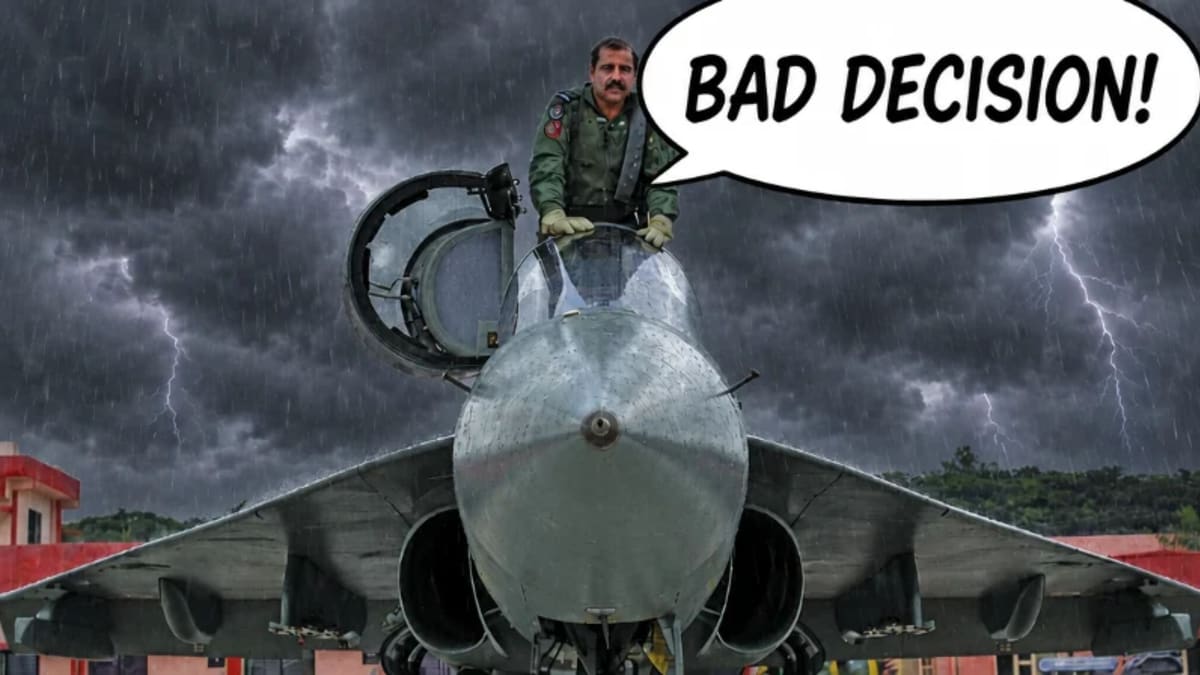
Former Indian Air Force (IAF) chief RKS Bhadauria has sharply criticised Hindustan Aeronautics Limited (HAL) for bypassing the locally developed Uttam radar on the Tejas Mk1A fighter jet, calling it a "bad decision." His unusually blunt comments have put a spotlight on how India balances speed of delivery with genuine self-reliance in military aviation.
A modern fighter jet's radar acts like its eyes, helping pilots spot enemy aircraft, track ground targets, and guide long-range missiles. India's defence labs spent years developing the indigenous Uttam AESA radar specifically to reduce dependence on foreign electronics.
The Debate Over Local vs Imported Systems
Choosing an imported radar for initial Tejas Mk1A jets was meant to keep production moving without waiting for every domestic component to finish testing. However, critics like Bhadauria argue that sidelining the local Uttam system slows down real-world upgrades and weakens confidence in Indian research.
In his remarks, the former Air Force chief also addressed the wider roadmap for India's future combat aircraft, including the larger Tejas Mk2 and the fifth-generation Advanced Medium Combat Aircraft (AMCA). Keeping domestic sensors at the centre of these programmes is seen by many veterans as essential if India wants full control over software updates and wartime repairs.
What This Means for Future Jets
The disagreement highlights an ongoing tension inside India's defence ecosystem between urgent squadron needs and long-term technological independence. How HAL and the Air Force resolve sensor choices now will shape how quickly local electronics mature on upcoming fighters.
- The criticism: Ex-IAF chief Bhadauria called skipping the local Uttam radar on Tejas Mk1A a "bad decision."
- Why radar matters: Domestic radar control lets India upgrade software and weapons without foreign permission.
- Wider stakes: Shapes planning for follow-on aircraft such as Tejas Mk2 and AMCA.