High Energy Import Bills Cost India Up to ₹7 Trillion Extra Each Year
Prime Minister's advisor Tarun Kapoor warns that pricey oil and gas imports drain India's finances and urges citizens to cut avoidable fuel use.
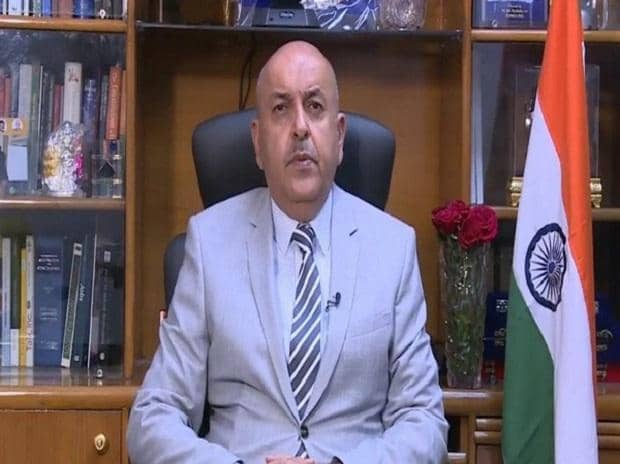
India is spending an extra ₹6 trillion to ₹7 trillion every year because of high global energy prices, according to Tarun Kapoor, an advisor to the Prime Minister. Speaking on the strain facing the country's energy bill, Kapoor urged citizens to cut down on avoidable fuel consumption.
India imports most of the crude oil and natural gas it uses to power vehicles, factories, and homes. When global fuel prices climb, India has to pay far more in foreign currency to buy the same amount of energy, leaving less money for domestic investment and public services.
Limits of Supply Diversification and Storage
Over the past few years, India has tried to soften the blow by buying oil from a wider mix of countries and expanding emergency fuel reserves. However, Kapoor noted that diversifying suppliers and building energy storage have brought only limited relief against persistently high global costs.
Because global markets ultimately set oil and gas prices, changing where India buys its fuel cannot fully shield the economy from expensive imports. Reducing overall waste and using fuel more efficiently, he suggested, offers a faster and more direct way to ease the financial pressure.
- Annual extra cost: ₹6 trillion to ₹7 trillion added to India's energy import bill each year.
- Core challenge: Supply diversification and storage expansion have offered limited savings so far.
- Call to action: Citizens are encouraged to trim unnecessary fuel and energy consumption.
Why It Matters and What Happens Next
A massive energy import bill affects more than just government budgets. It can weaken the rupee, widen India's trade deficit, and push up transport and grocery prices for ordinary families. When businesses pay more for fuel and power, those higher costs often filter down to everyday goods.
Looking ahead, policymakers are expected to keep pushing cleaner energy, public transport, and fuel efficiency standards alongside domestic oil and gas exploration. Even modest cuts in everyday fuel waste could save billions of rupees and reduce India's exposure to global price shocks.